
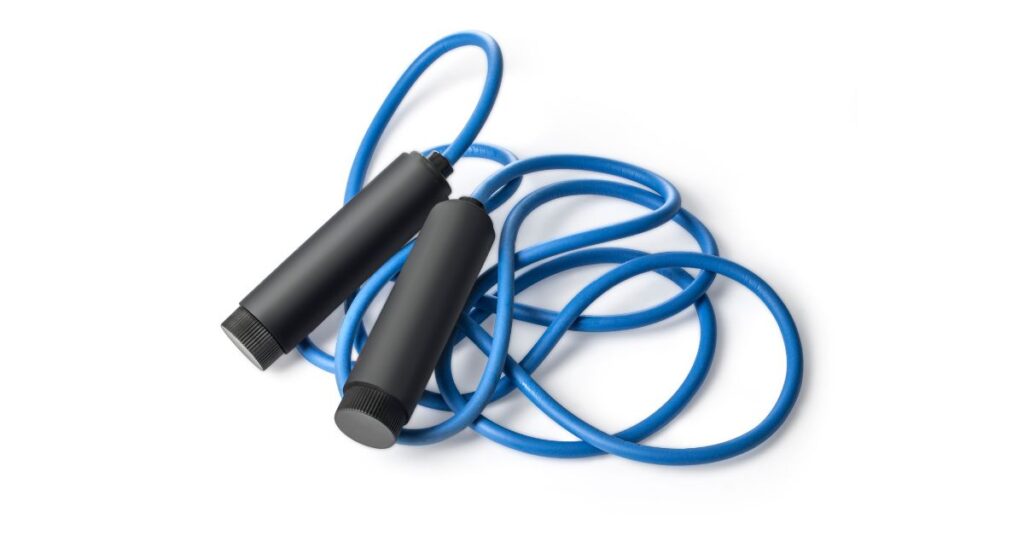
Most adults need 15–30 minutes of skipping per day, paired with a calorie deficit, to lose weight; the exact time varies by body weight and pace.
Here’s the straight answer you came for: daily rope work that lands near 150–300 calories, plus a steady food deficit, moves the scale for most people. The range shifts with your body weight, rhythm, and rest breaks. The math below shows clear targets you can use today without guessing.
How Much Skipping Daily To Lose Weight? Plan And Math
Energy balance drives weight change. Create a daily shortfall of roughly 500 calories and you trend toward about 0.5–1 kg per week lost, depending on total intake and activity mix. Skipping helps you “earn” a slice of that shortfall in less time than steady walking or slow cycling. Use the table to pick minutes that match your size and goal.
Daily Minutes To Hit A Calorie Target
Estimates use published calorie figures for jump rope across common body weights. Numbers reflect a steady, moderate pace. Faster rounds shave minutes; slower rounds add minutes.
| Body Weight | Minutes For ≈250 kcal | Minutes For ≈500 kcal |
|---|---|---|
| 57 kg (125 lb) | 25–28 | 50–56 |
| 64 kg (141 lb) | 22–25 | 44–50 |
| 70 kg (155 lb) | 20–22 | 40–45 |
| 77 kg (170 lb) | 18–20 | 36–40 |
| 84 kg (185 lb) | 17–19 | 34–38 |
| 91 kg (200 lb) | 16–18 | 32–36 |
| 100 kg (220 lb) | 15–17 | 30–34 |
| 113 kg (250 lb) | 14–16 | 28–32 |
Quick read: lighter bodies typically need a few extra minutes to reach a set calorie target; heavier bodies need fewer. If you run quick, double unders, or short-rest intervals, you’ll land at the lower end of each range. If you stay gentle and take longer breaks, expect the higher end.
How Skipping Burns Calories
Scientists scale activity cost with MET values (metabolic equivalents). One MET is resting demand. Jump rope sits in vigorous territory in standard listings, which aligns with the high per-minute burn many people see when they keep a steady rhythm. You can translate METs to calories with: Calories per minute ≈ MET × 3.5 × body weight (kg) ÷ 200. That’s why weight and pace matter so much.
What Changes The Number
- Pace: Quick cadence and short ground contact spike the burn. Slow singles with frequent pauses pull it down.
- Technique: Smooth wrist turns and compact hops keep you on task. Big knee lifts waste effort and gas you early.
- Rope Choice: A cable that’s sized to your sternum (handles near armpits when stepped on) helps you hold rhythm.
- Surface: A mat or wood floor reduces joint stress and keeps bounce consistent.
- Breaks: Intervals change the average. A 20-minute block with 1:1 work-rest burns less than 20 minutes unbroken.
How Much Skipping Per Day To Lose Weight: Realistic Targets
If you’re pairing rope work with a modest food shortfall, aim for daily skipping that “earns” 150–300 calories. That’s roughly 12–25 minutes for many adults at a steady pace, or 8–20 minutes at a quick pace. Fold this into a weekly mix that also meets general activity guidance for health.
Linking Minutes To Weekly Progress
Health agencies point people toward a gradual rate of change and a weekly activity target that you can actually keep. Losing about 0.5–1 kg (1–2 lb) per week is the usual lane for steady progress. Hitting that range comes from consistent food habits plus movement that fits your week. A rope is a handy way to stack vigorous minutes without a long commute or a full gym block.
Combine Skipping With A Calorie Deficit
Daily movement alone rarely shifts weight unless food intake lines up. A steady daily shortfall near 500–600 calories is the classic starting point many services suggest for safe change. You can split that gap between plate and rope. One common split: trim 300–400 calories with food swaps and portion control and “earn” 150–300 calories with skipping. That mix tends to feel sane while your legs adapt.
Practical Ways To Create The Shortfall
- Swap sugar drinks for water or zero-calorie options during the week.
- Fill half the plate with lean protein and high-fiber sides.
- Pick a set mealtime for treats and keep it to that slot.
- Batch-cook two protein staples and two veg sides each weekend.
For clarity on safe loss rates and weekly activity targets, see the CDC weight-loss guidance and the Harvard calorie table for jump rope and other activities.
Beginner Plan That Works
New to the rope? Start small, build rhythm, and keep hops light. The plan below eases your calves and Achilles into the load while still burning a useful slice of calories.
Week-By-Week Ramp
- Week 1: 6 × 1 minute work / 1 minute rest. Total work: 6 minutes. Do it 4 days.
- Week 2: 8 × 1 minute work / 45 seconds rest. Total work: 8 minutes. Do it 4–5 days.
- Week 3: 10 × 1 minute work / 30 seconds rest. Total work: 10 minutes. Do it 5 days.
- Week 4: 6 × 2 minutes work / 45 seconds rest. Total work: 12 minutes. Do it 5 days.
Hold a soft bend in the knees, keep elbows near your ribs, and turn the rope from the wrists. Land mid-foot. If you trip, reset posture and breathe; then start your next interval.
Daily Skipping Targets By Goal
Use this menu to match your goal and schedule. Shift up or down one notch if your appetite jumps or recovery dips.
| Goal | Minutes Per Day | Structure |
|---|---|---|
| Starter Fat Loss | 10–15 | EMOM singles, 30–45 sec work each minute |
| Steady Fat Loss | 15–25 | 2–3 × 5–8 min blocks, 60–90 sec easy walk between |
| Quick Cut | 20–30 | 90 sec on / 30 sec off for 10–15 rounds |
| Cardio Base | 12–20 | Unbroken singles at talkable pace |
| Time-Pressed | 8–12 | Tabata-style sprints: 20 on / 10 off × 8–12 |
| Low-Impact Mix | 10–18 | 1 min rope + 1 min step-ups, repeat 5–9 cycles |
Weekly Framework That Fits Life
Blend rope days and rest days so your lower legs stay fresh. A handy pattern is 5 rope days and 2 light days with walking and mobility. If your calves bark, switch one rope day to a brisk walk or a rower.
Sample Week
- Mon: 20 minutes total rope in intervals, core work after.
- Tue: 30 minutes brisk walk, hip mobility.
- Wed: 15–20 minutes rope, light push-ups and rows.
- Thu: 30 minutes walk or bike.
- Fri: 20–25 minutes rope in blocks.
- Sat: 10–15 minutes easy rope, then stretch.
- Sun: Off or gentle walk.
Form And Gear Tips
- Rope Length: Stand on the center; handles should reach the armpit line.
- Grip: Neutral wrists, relaxed hands. Let the cable do the work.
- Foot Strike: Small hops, mid-foot landings, quiet feet.
- Shoes: Cushioned trainers or cross-trainers with some forefoot padding.
- Surface: Use a rope mat or wood floor. Skip concrete if you can.
- Progress: Add 1–2 minutes per session each week or drop 5–10 seconds from your rest blocks.
Safety And When To Tweak The Plan
Vigorous work hits your heart and lower legs. If you’re new to intense sessions, build slowly. If you feel sharp pain, dizziness, or chest pressure, stop and choose light movement while you speak with a clinician. People with joint issues can split the load with cycling, swimming, or walking on some days. Meet the weekly activity target in a way that fits your history and any advice you’ve received.
How To Measure Progress Beyond The Scale
- Minutes Unbroken: Track your longest set each week.
- Cadence: Count turns in 30 seconds and aim to add 5–10 over a month.
- Breathing: The same block should feel easier by week 3–4.
- Waist: Measure at the navel line once per week on the same day and time.
- Energy: Note sleep and appetite; adjust food and rest if either drifts.
Putting It All Together
Use the question “how much skipping daily to lose weight?” as a weekly budget, not a rigid number. Pick a minutes target from the first table, split it into chunks that match your schedule, and pair it with a steady food shortfall. If your appetite jumps or your legs feel heavy, trim a few minutes and nudge food choices instead. If you feel fresh and the rope flows, add a round or two.
Repeat the phrase in your head: how much skipping daily to lose weight? It stays the same in spirit even as your exact minutes change with fitness, body weight, and pace. Keep the plan simple, keep the hops light, and let the habit do the work.