
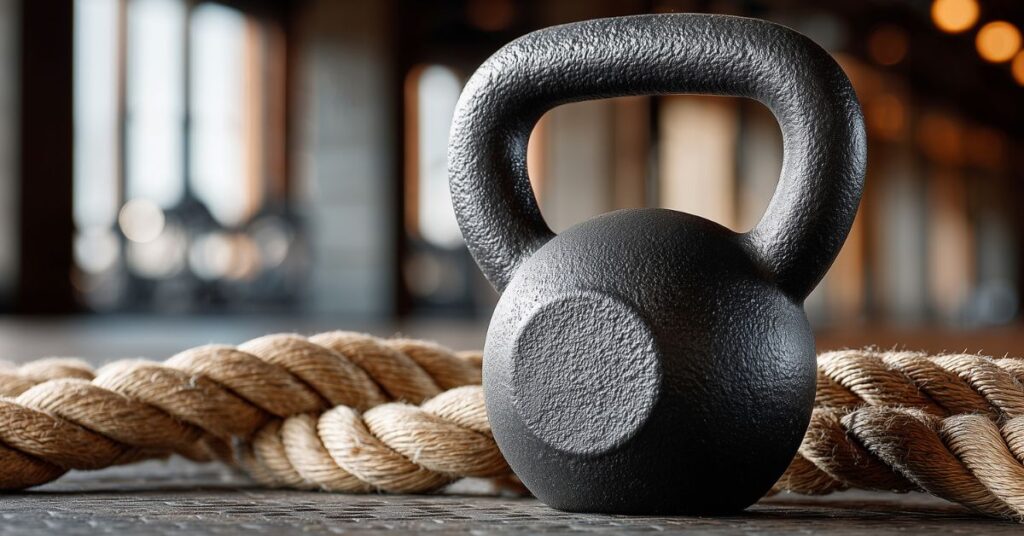
For weight loss, plan 2–3 strength sessions per week, paired with 150–300 minutes of cardio and a mild calorie deficit.
Here’s the short answer up front: most adults lose fat well with two to three total-body lifting days each week. That cadence gives you enough stimulus to build or keep muscle while leaving room for cardio and recovery. The sweet spot for weight loss blends steady strength work with brisk walking, cycling, or intervals, plus simple food habits that create a small calorie gap.
How Much Strength Training Per Week For Weight Loss? The Practical Answer
The most reliable setup is two or three non-consecutive lifting days that train all major muscle groups. Spread those across the week, use compound movements, and progress in small steps. Add 150–300 minutes of moderate cardio or 75–150 minutes of vigorous cardio across the week. That mix lines up with public health targets and pairs nicely with a gentle calorie deficit.
Sample Weekly Planner (2–3 Strength Days)
Use this plug-and-play outline. Swap movements that fit your equipment and joints. Keep rest days flexible.
| Day | Workout | Notes |
|---|---|---|
| Mon | Total-body strength | Squat or hinge, push, pull, core; 45–60 min |
| Tue | Cardio | 30–45 min brisk walk, bike, or jog |
| Wed | Total-body strength | Hinge or squat, push, pull, core; 45–60 min |
| Thu | Cardio + mobility | 30–40 min easy; light stretches |
| Fri | Total-body strength (optional 3rd) | Different rep ranges; 40–50 min |
| Sat | Long easy cardio | 45–60+ min walk, hike, or bike |
| Sun | Rest | Steps, chores, sleep dialed in |
Why Two To Three Sessions Work For Fat Loss
Strength work protects lean tissue while you trim body fat. More muscle means a higher resting burn and better training output. Two or three total-body days recruit big muscles often enough to signal growth or retention without piling on fatigue. That leaves space for the cardio volume that helps nudge the weekly calorie ledger in your favor.
How This Aligns With Public Guidelines
Public health targets call for at least two days of muscle-strengthening that hit all major muscle groups, plus 150–300 minutes of moderate activity each week. Those numbers are a smart baseline for anyone aiming to drop fat while staying strong. You can read the federal Physical Activity Guidelines and the CDC’s plain-language page on adult activity guidelines for the exact thresholds.
What Counts As A Strength Session
A session trains the whole body with multi-joint lifts plus targeted accessories. Think squat or leg press, hip hinge or deadlift pattern, vertical and horizontal pushes and pulls, and core. Aim for 6–8 total movements. Keep the work focused and repeatable.
How Many Strength Sessions Per Week For Fat Loss—Realistic Plan
If life is hectic, two sessions can carry you. If your schedule allows, three short sessions often feel easier than two long ones. Either way, stack small wins week by week. The phrase how much strength training per week for weight loss? shows up in search because people want a number they can stick to. The number that sticks is the one you can repeat for months.
Set, Rep, And Load Targets
Mix heavier work for strength with moderate sets for volume. A clean template is two to three sets of 6–12 reps on main lifts and 8–15 on accessories. Leave one to three reps in reserve on most sets. Add a little weight, a rep, or a set when performance is steady across two workouts.
Cardio Pairing That Helps The Scale Move
Match the lifting plan with easy-to-recover cardio. Brisk walking, cycling, rowing, and light jogs all count. Spread minutes across the week. If joints are cranky, bias toward low-impact work. If you enjoy intervals, cap hard bursts at two days per week and keep the rest of the week mostly easy.
Progression Model That Maintains Muscle While You Cut
Progress can be load, reps, sets, range, tempo, or shorter rests. Pick one knob each week. The goal is consistent tension on the big patterns. Short plateaus are normal when eating in a deficit. Hold the line on movement quality and sleep, then nudge volume or load again.
Exercise Menu That Covers All Bases
Choose from this pool and rotate as needed: squat pattern (back squat, front squat, goblet squat, leg press), hinge pattern (Romanian deadlift, hip thrust, good morning), horizontal push (bench press, push-ups, dumbbell press), horizontal pull (row variations), vertical push (overhead press, landmine press), vertical pull (pull-ups or lat pulldown), core (planks, dead bugs, carries).
Time Budget And Session Length
Most lifters finish a total-body day in 40–60 minutes. Keep warm-ups brisk: one or two ramp sets for each movement. Superset non-competing lifts to save time. If you’re short on minutes, run three mini-circuits of two moves each and keep rests tight.
Fuel, Steps, And Recovery That Make The Training Work
Lifting only drops the scale when the weekly calorie balance points down. Keep a small deficit, roughly 300–500 calories per day for many adults, and aim for steady steps. Protein intake helps with appetite and muscle repair; a simple target is 1.6–2.2 grams per kilogram of body weight. Hydrate, sleep seven to nine hours, and keep stress outlets handy.
Red Flags That You’re Doing Too Much
Constant soreness, sliding strength, poor sleep, or nagging colds are classic signs to pull back. Trim a set on each lift, swap a hard cardio day for an easy walk, and add a rest day. Training should leave you feeling capable, not wrecked.
When To Add A Third Day Or Stay At Two
Stay at two if you’re new, short on sleep, or cutting calories aggressively. Add a third day if recovery is solid and lifts feel crisp at the end of sets. The extra touchpoint helps preserve lean mass and speeds skill practice on the main patterns.
Template For Two-Day Weeks
Day A: squat pattern, vertical push, horizontal pull, hinge pattern, core. Day B: hinge pattern, horizontal push, vertical pull, single-leg work, core. Keep a rep range of 6–12 on big lifts and 8–15 on accessories.
Template For Three-Day Weeks
Day A: squat pattern, horizontal push, horizontal pull, accessories. Day B: hinge pattern, vertical push, vertical pull, accessories. Day C: single-leg lower, mixed pushes and pulls, carries and core.
Evidence Snapshot: What Research Says About Fat Loss And Lifting
Controlled trials and meta-analyses show resistance training lowers body fat while adding lean mass. The effect is clear when sessions are kept consistent over weeks and paired with sensible food habits. Cardio still matters for the calorie side of the ledger, and the mix of both tends to beat either one alone for body composition.
Simple Strength Session You Can Start This Week
Warm up with five minutes of easy cardio and two ramp sets on your first lift. Then run this flow: squat or leg press 3×6–10, Romanian deadlift 3×8–12, bench press or push-ups 3×6–12, one-arm row 3×8–12, overhead press 2–3×8–12, plank 3×30–60 seconds. Finish with a 10–20 minute brisk walk.
Set, Rep, And Rest Cheatsheet
| Goal | Sets × Reps | Rest |
|---|---|---|
| Strength Retention | 3–5 × 4–6 | 2–3 min |
| Muscle Gain In A Cut | 2–4 × 6–10 | 1–2 min |
| Hypertrophy Volume | 3–4 × 8–12 | 60–90 sec |
| Accessory Work | 2–3 × 10–15 | 45–75 sec |
| Core Stability | 3–4 × 30–60 sec | 45–60 sec |
| Intervals | 6–10 × 30–60 sec | Full recovery |
| Zone 2 Cardio | 30–60+ min | Easy talking pace |
Common Pitfalls That Stall Fat Loss
Doing Only Machines Or Only Isolation Lifts
Machines have a place, but big compound moves carry most of the load for strength and calorie burn. Keep the big rocks first, then plug machines or cables where they shine.
Skipping Protein And Sleep
Both drive recovery and appetite control. Plan a protein-rich meal or shake within a couple of hours of training, keep a regular bedtime, and darken the room.
Chasing Exhaustion Instead Of Progress
Sweat is not a scorecard. Track loads and reps. If the numbers creep up over time while waistlines shrink, the plan works.
Adjustments For Different Starting Points
If you’re brand new, run two days for four to six weeks. Keep loads light, stop each set with two or three reps in reserve, and learn the patterns. When lifts feel smooth and soreness fades fast, add a third day or one extra set on the main movements. If you already lift and just need fat loss, hold three days steady and trim accessories a bit so cardio minutes fit without draining you.
Beginner, Intermediate, Advanced Tweaks
Beginners: keep the same lifts each session and repeat them weekly. Build skill first. Intermediates: rotate grips or stances, and use one heavier day and one moderate day, with an optional third for accessories. Advanced lifters: keep two strength-biased sessions and one volume-biased session, and log deload weeks every fourth or fifth week during a cut.
Time-Saving Splits When Life Gets Busy
Can’t find a long block? Use three 30-minute sessions: Day A upper push and pull, Day B lower body, Day C upper pull and push with core carries. Superset pairs, cap warm-ups, and stick to two sets on small moves. Pair that with daily steps and you’ll keep momentum even on a packed calendar.
Putting It All Together
Here’s the tidy checklist. Two or three total-body strength days each week. Cardio minutes that sum to 150–300 at a steady effort, with a dash of intervals if you like them. A mild calorie deficit and steady steps. Protein at each meal, good sleep, and simple progression. If you stick to that, the question “how much strength training per week for weight loss?” turns from guesswork into a routine you can run on repeat. Stay patient and let compounding work. Small wins stack.