
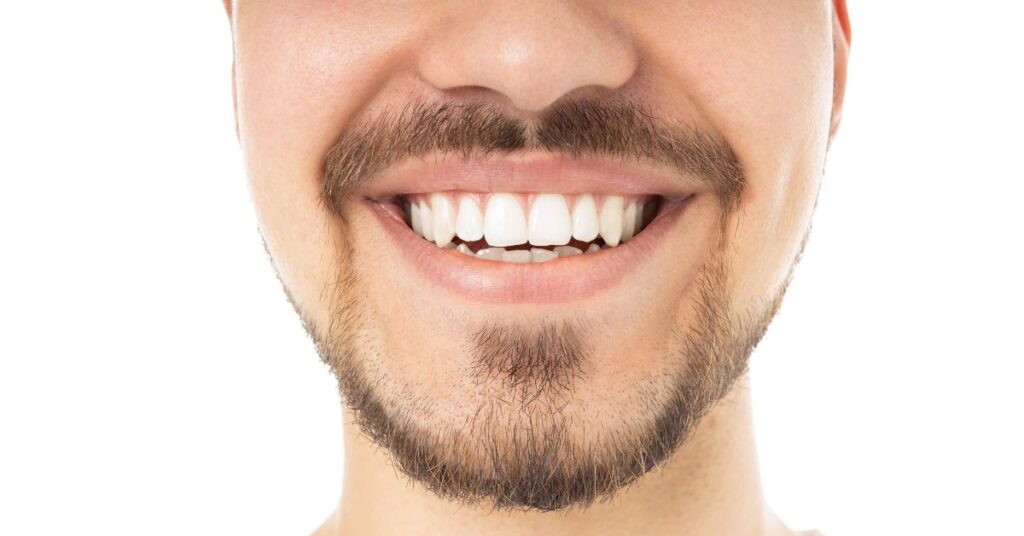
Humans typically get two sets of teeth: 20 primary teeth and 32 permanent adult teeth, including wisdom teeth for many people.
Teeth erupt in stages. First come the primary teeth that help kids chew, speak, and hold space in the jaws. Later, the permanent set arrives and usually stays for life. This guide clears up counts, timing, and the everyday scenarios that change the number you see in a mouth at any given age.
If you’ve asked “how many sets of teeth do you get?”, the answer is two, with details below on where the extra four molars fit in for many adults.
What “Two Sets” Really Means
When people ask how many sets of teeth you get, they’re usually sorting out names and numbers. The two sets are the primary set, also called baby or deciduous teeth, and the permanent set, also called adult teeth. The primary set has 20 teeth. The permanent set tops out at 32 when all four third molars—wisdom teeth—are present.
Each set contains types with specific jobs. Incisors cut, canines grip, premolars crush, and molars grind. Kids don’t have premolars in the primary set, which is why the first set caps at 20.
Tooth Types, Counts, And Typical Timing
Use this chart to see which teeth belong to each set, how many there are, and the usual eruption windows. Ranges vary person to person; genetics and health can shift timing by months.
| Tooth Type | Primary Set — Count & Timing | Permanent Set — Count & Timing |
|---|---|---|
| Central Incisors | 8 total; erupt ~6–12 months | 8 total; erupt ~6–8 years |
| Lateral Incisors | 4 total; erupt ~9–16 months | 4 total; erupt ~7–9 years |
| Canines (Cuspids) | 4 total; erupt ~16–23 months | 4 total; erupt ~9–12 years |
| First Molars | 4 total; erupt ~13–19 months | 4 total; erupt ~6–7 years |
| Second Molars | 4 total; erupt ~23–33 months | 4 total; erupt ~11–13 years |
| Premolars (Bicuspids) | None in primary set | 8 total; erupt ~10–12 years |
| Third Molars (Wisdom Teeth) | None in primary set | Up to 4; erupt ~17–25 years or may never erupt |
Teeth Sets: Variations And Edge Cases
Most adults count two sets across a lifetime, but the number of teeth that show can differ. Common patterns include no wisdom teeth at all, some wisdom teeth, or all four. Missing lateral incisors or second premolars—a condition called hypodontia—also reduces the final tally. Extra teeth, called supernumerary teeth, add to it. Orthodontic treatment can remove premolars to create space, which lowers the final count without changing the number of sets.
If you want a quick reference, think in ranges: many adults finish with 28 teeth when no wisdom teeth develop, and up to 32 when all wisdom teeth are present and kept. Children carry 20 primary teeth before the permanent set takes over.
Baby Teeth: Why The First Set Matters
Primary teeth do more than “hold a spot.” They let kids chew a full diet, guide speech sounds, and maintain jaw width. When a baby tooth is lost too early from decay or injury, adjacent teeth can drift into the space. That crowding can block the permanent tooth coming in underneath. Dentists often place a small spacer to preserve the gap until the adult tooth erupts.
Good daily care starts as soon as teeth appear. Brush with a smear of fluoride toothpaste for kids under three, then a pea-size amount after that. Regular exams let a dentist watch eruption, coach brushing, and apply sealants when the first permanent molars arrive around age six.
Permanent Teeth: From First Molars To Wisdom Teeth
The permanent set begins with the first molars, often called the “six-year molars.” These do not replace baby teeth; they erupt behind them. Over the next several years, incisors, canines, and premolars cycle in as primary teeth loosen and fall out. Second molars often appear around the early teen years. Wisdom teeth wrap up the sequence, though many never erupt or are removed due to lack of space or impaction.
Removal isn’t automatic. Some wisdom teeth align well and function like any other molar. Others sit sideways or press against the second molar, which raises the risk of decay or gum problems. A panoramic X-ray helps a dentist judge position and roots before recommending removal.
Taking Care Of Each Set
Daily Habits That Protect Counts
To keep the full number you were given, daily habits matter. Brush twice a day for two minutes with fluoride toothpaste. Clean between teeth once a day with floss or a water flosser. Limit frequent sipping of sweet drinks that bathe enamel. Wear a mouthguard for contact sports and a nightguard if you grind.
Checkups And Sealants
Routine exams track eruption, spot early decay, and catch gum problems while they’re still simple. When the first and second permanent molars erupt, dentists often paint a thin resin coating into the grooves to block decay. These sealants are quick, painless, and protect the chewing surfaces that carry the most load.
Eruption Windows And What’s “Normal”
Eruption charts list ranges because biology isn’t a clock. A child can be months ahead or behind a sibling and still be within the usual window. The key is steady progress and symmetry side to side. If a tooth on one side erupts and the matching tooth lags many months, it’s worth a look. Swellings, persistent pain, or a baby tooth that never loosens also deserve a visit.
Dental growth charts are guides, not promises. Your dentist reads the pattern over time.
Professional groups publish charts to help families and dentists track these stages. See the NIDCR eruption overview and MedlinePlus tooth eruption for detailed ranges and illustrations.
Close Variant: How Many Teeth Do Adults Have? By Age And Case
This section mirrors the main question with a close variation that many searchers use. Adults end up with 28 to 32 teeth depending on wisdom teeth. That range narrows based on the scenarios below.
Common Adult Scenarios
- No wisdom teeth develop: Final count is often 28.
- One to four wisdom teeth present: Count ranges 29–32.
- Hypodontia (one or more teeth never form): Counts drop by each missing tooth.
- Orthodontic extractions: One or two premolars per side may be removed to align crowded arches.
- Retained baby tooth: Shows as an extra tooth in the count, but it isn’t part of the permanent total.
- Supernumerary teeth: Extra teeth can erupt or stay impacted and may need removal.
How Many Sets Of Teeth Do You Get? By Age And Care
Here’s a quick way to tie age, care, and counts together. Kids from about age two to six carry the full set of 20 primary teeth. Ages six to twelve are mixed dentition years, where a child may have a blend of baby and permanent teeth. By the early teens, the primary set has usually made way for permanent teeth, excluding wisdom teeth. The late teens and early twenties finish the process for many people when wisdom teeth erupt or are evaluated.
| Scenario | Likely Adult Count | Notes |
|---|---|---|
| All Wisdom Teeth Present And Kept | 32 | Common when jaws have room and alignment is clean |
| No Wisdom Teeth Form | 28 | Very common; nothing “missing” from function |
| Two Wisdom Teeth Present | 30 | Often upper or lower pair only |
| Hypodontia (E.g., Missing Lateral Incisors) | 26–30 | Counts depend on which teeth never form |
| Orthodontic Removal Of Premolars | 24–28 | Removals create room; function remains strong |
| Retained Primary Tooth In Adulthood | Varies | Acts as a placeholder if the adult successor is absent |
| Supernumerary Teeth | 33+ | Extra teeth; often removed to prevent crowding |
Why Tooth Counts Shift Over Time
Counts change because bodies change. A toddler starts with a few incisors peeking in. A kindergartner may show a full primary smile. A nine-year-old often shows a mix of primary molars and new permanent incisors. A teenager may add second molars and watch canines finish their path. An adult may keep or remove wisdom teeth based on space and comfort. The sets are the same, but the snapshot at each age tells a slightly different story.
When A Dentist Should Check Sooner
Call sooner if you see swelling, persistent gum bleeding, or pain that keeps a child from eating or sleeping. If a front tooth is knocked out, place it in cold milk and head to care right away. For a knocked-out baby tooth, do not try to reinsert it; for a permanent tooth, gentle reinsertion can help. Quick action improves the odds that the tooth survives.
Teeth And Speech, Chewing, And Smiles
Teeth do more than bite. Incisors guide “s” and “f” sounds. Molars grind fiber-rich foods so the gut doesn’t have to work as hard. A complete, healthy smile supports self-confidence and social comfort. Keeping both sets healthy is not just a number on a chart; it’s daily function.
Bottom Line On Teeth Counts
So when friends ask “how many sets of teeth do you get?”, you can give a precise answer backed by counts and timing.
If you’re scanning for a clean answer to “how many sets of teeth do you get,” here it is one more time: two sets across a lifetime. Twenty primary teeth get kids through early years. Up to 32 permanent teeth carry adults, with 28 being common when wisdom teeth never form or are removed. Care, space, genetics, and treatment shape the exact number in your mirror, but the basic math stays steady. That’s the simple answer most need.