
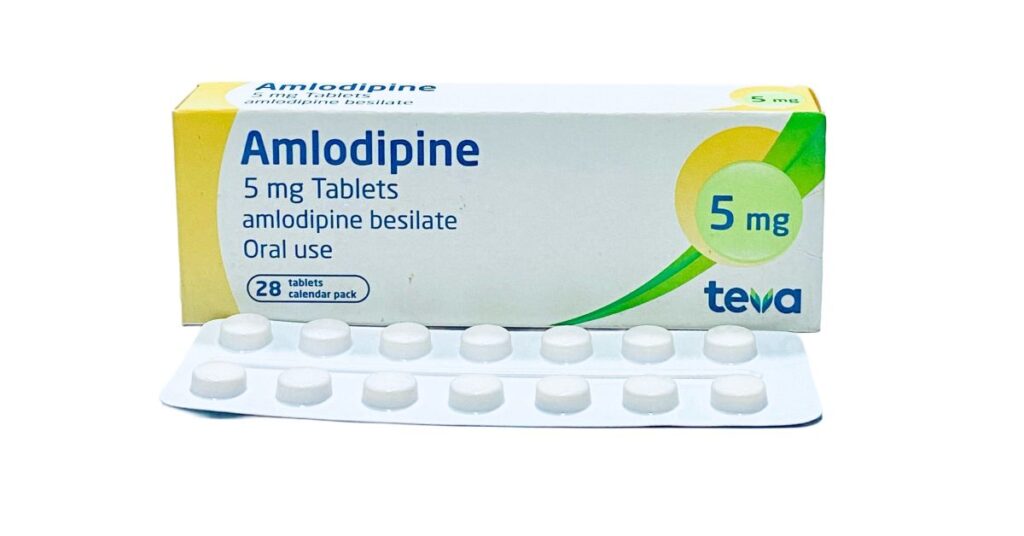
For most adults, the usual maximum amlodipine dose is 10 mg once a day, while many children aged 6 to 17 should not go above 5 mg daily.
Amlodipine is a calcium channel blocker used for high blood pressure and chest pain from narrowed heart arteries. The drug can make a real difference to long-term heart and stroke risk, yet many people feel nervous about where the daily limit sits, and what happens if they move above it. This guide walks through dose ranges in plain language so you can talk with your doctor from a strong starting point.
Before any numbers, one thing matters more than everything else: the safe dose for you depends on your own medical history, other medicines, and how your body reacts. The question “how much amlodipine can you take a day?” always needs an answer that runs through your personal blood pressure readings and symptoms, not a one-size figure from the internet. The information below comes from trusted drug references and public health sites and stays general by design.
This article does not replace medical advice from your own clinician. Never change your prescribed amlodipine dose, or stop it, without talking with the professional who looks after your care.
How Much Amlodipine Can You Take A Day?
Across large guidelines and official product documents, the same headline appears again and again: adults usually take between 5 mg and 10 mg of amlodipine once a day, and 10 mg a day sits at the top of the standard range for high blood pressure and stable angina. A public source such as the NHS guide on taking amlodipine gives the same numbers for daily use.
Most adults start on 5 mg once daily. Some people who are smaller, older, or more sensitive to blood pressure tablets begin on 2.5 mg. The prescriber then checks blood pressure readings, angina symptoms, and side effects over several weeks. If pressure still runs high, or chest pain remains, the dose may rise stepwise to 10 mg once a day.
Daily doses above 10 mg appear neither in major guidelines nor in official prescribing information for routine treatment of high blood pressure or angina. Higher doses bring more dizziness, ankle swelling, and low blood pressure, while the extra benefit plateaus. For that reason, when an adult on 10 mg still needs better blood pressure control, the usual move is to add or adjust other medicines rather than keep pushing amlodipine higher.
| Group | Usual Daily Dose | Typical Maximum |
|---|---|---|
| Healthy adult with hypertension | 5–10 mg once daily | 10 mg once daily |
| Adult with stable angina or coronary artery disease | 5–10 mg once daily | 10 mg once daily |
| Older or frail adult | 2.5–5 mg once daily | 10 mg once daily, if tolerated |
| Adult with liver impairment | 2.5–5 mg once daily | 10 mg once daily, with close monitoring |
| Adult with kidney impairment | 5–10 mg once daily | 10 mg once daily |
| Child aged 6–17 years | 2.5–5 mg once daily | 5 mg once daily |
| Child under 6 years | Dose based on weight only under specialist care | Up to 5 mg once daily, guided by a specialist |
Behind those rows sit years of trial data. Drug labels cleared by regulators describe 10 mg once daily as the highest usual adult dose, and 5 mg once daily as the highest for children aged 6 to 17 years. Doses above those figures exist only in rare, highly supervised situations or in reports of overdose, not as standard treatment.
If you read a story about someone on 20 mg a day, that does not mean this level is safe or typical. Medical news articles summarising amlodipine dosage stress that 20 mg a day lies above the maximum recommended dose in prescribing information and may create serious low blood pressure or heart rhythm problems if repeated.
How Much Amlodipine You Can Take A Day By Age
Age shifts how the body handles amlodipine. The same tablet that fits a healthy 45-year-old may drop blood pressure too far in a frail 80-year-old. When clinicians answer “how much amlodipine can you take a day?” for each person, they pay close attention to age and general strength.
Typical Dose Ranges For Adults
For most adults under 65 without major liver disease, 5 mg once daily stands as the common starting point. If blood pressure stays above target after a few weeks and side effects stay mild, the dose often climbs to 10 mg. Official references such as FDA labeling for amlodipine place 10 mg once daily as the upper limit for general adult use.
Some adults begin at 2.5 mg. This small dose can suit people with low body weight or those already taking several medicines that lower blood pressure. From there, the prescriber may step up to 5 mg, then later to 10 mg, with checks between each change.
Dose Ranges For Older Adults
Older adults often feel stronger side effects at the same milligram dose, because the liver clears the drug more slowly and blood vessels relax more. Many guidelines suggest a starting dose of 2.5 mg once daily in this group, followed by 5 mg, and then 7.5 mg or 10 mg only when needed and tolerated.
In practice, many older adults remain on 5 mg. When dizziness, ankle swelling, or flushing appear, the prescriber may pause further increases or even step back down. The headline maximum of 10 mg a day still applies, yet the “right” dose for an older adult often sits below that figure.
Dose Ranges For Children And Teenagers
Children need smaller doses. For ages 6 to 17 years with high blood pressure, the usual starting point is 2.5 mg once daily, with a step up to 5 mg if pressure remains high after several weeks. Trials in paediatric patients have not studied daily doses above 5 mg in this age group, so standard references keep 5 mg once daily as the ceiling.
Below age 6, dosing follows the child’s weight and sits in the realm of paediatric specialists. If a young child receives amlodipine, every change runs through a specialist clinic, and parents get precise instructions on measuring and giving the liquid or tablet form.
Factors That Shape Your Amlodipine Dose
Even with age bands and headline limits, two people of the same age can land on very different daily doses. Several practical factors decide whether your prescriber holds your dose steady, steps it up, or brings it down.
Blood Pressure And Chest Pain Targets
Blood pressure readings at home and in the clinic form the first guide. If readings sit above the target range despite several weeks on a stable dose, and side effects stay mild, the clinician may raise amlodipine or add another medicine. If readings drop too low, or you feel faint when you stand up, a lower dose often makes more sense.
For people with angina, the pattern of chest pain matters as well. Fewer spells of tight, heavy chest pain during walks or climbing stairs tell the prescriber that the current dose helps blood flow through the coronary arteries. Persistent angina, even with good blood pressure readings, may call for a higher dose within the safe range or extra medicines rather than a jump above 10 mg.
Other Medicines You Take
Amlodipine often joins a long list of tablets. ACE inhibitors, ARBs, diuretics, beta blockers, nitrates, and some diabetes medicines all lower blood pressure. Taken together, they can push readings down more than any drug alone. This combined effect often means the safe amlodipine dose sits lower than the textbook maximum.
Some medicines interact with amlodipine at the liver enzyme level. Certain antifungal medicines, macrolide antibiotics, and HIV treatments can raise blood levels of amlodipine for a given tablet dose. On the other side, some anti-seizure medicines can lower those levels. Prescribers who know about these interactions may choose a smaller or larger dose, or a different drug altogether.
Liver Or Kidney Conditions
The liver breaks down amlodipine. In people with liver impairment, the drug stays in the system longer, and blood levels rise even at the same tablet strength. This pattern can make low blood pressure, flushing, and swelling more likely. A lower starting dose, slow titration, and a cautious attitude to the 10 mg ceiling all help here.
Kidney disease has less direct impact on amlodipine clearance, yet people with chronic kidney disease often take several other blood pressure medicines. Their dose still needs individual adjustment, because the combined effect of all those drugs can be powerful even when each sits in the middle of its own range.
Side Effects And Day-To-Day Symptoms
Side effects give strong clues about where your daily limit sits. Ankle or foot swelling, flushing, headaches, palpitations, and light-headed spells rise with higher doses. If these symptoms appear soon after a dose increase, that new level may be too strong for you, even though it sits under 10 mg on paper.
Clear notes on when symptoms began, how long they last, and whether they fade when you sit or lie down help your prescriber judge your personal ceiling. In many cases, moving back from 10 mg to 5 mg or 7.5 mg, and adjusting other medicines, offers a better balance between blood pressure control and daily comfort.
How Much Amlodipine Can You Take A Day? Recap By Scenario
Put simply, most adults land between 5 mg and 10 mg once daily, with 10 mg as the top. Older adults and people with liver disease often settle nearer 2.5 mg or 5 mg. Children aged 6 to 17 years usually stay between 2.5 mg and 5 mg once a day. These ranges guide safe practice, yet your own dose still needs to come from a clinician who knows your full medical history.
What Happens If You Take Too Much Amlodipine
Taking more amlodipine than prescribed, whether by accident or on purpose, can drive blood pressure down sharply. People can feel faint, sick, or sweaty, and may notice a fast racing pulse as the heart tries to keep blood flowing. In heavy overdoses, blood pressure can fall so far that organs do not receive enough oxygen, and this turns into a medical emergency.
Early signs after a large extra dose often appear within a few hours. Drinking alcohol at the same time, or taking other blood pressure tablets, can make these effects stronger. Children are especially vulnerable if they swallow tablets meant for an adult.
| Warning Sign | Possible Effect | Suggested Action |
|---|---|---|
| Severe dizziness or fainting | Blood pressure may be too low | Lie flat and seek urgent medical care |
| Very fast heartbeat | Heart working harder to push blood | Seek urgent medical assessment |
| Shortness of breath or chest pain | Blood flow to heart or lungs may be affected | Call emergency services |
| Confusion or trouble staying awake | Brain may not receive enough oxygen | Call emergency services |
| Pale, cold, or sweaty skin | Circulation may be failing | Emergency care right away |
| Child swallowed unknown number of tablets | Risk of severe overdose | Call emergency services or poison centre without delay |
| Extra tablets taken on top of 10 mg daily | Above usual adult maximum | Seek same-day medical advice |
If you think you or someone close has taken too much amlodipine, call emergency services or your local poison centre immediately. Do not wait to see how bad the symptoms become. Bring the medicine pack to the hospital so staff can see the exact strength and amount taken.
How To Use Amlodipine Safely Each Day
Safe use of amlodipine rests on steady habits and clear communication with your care team. Dose numbers matter, yet the way you take the tablets from one day to the next matters just as much.
Daily Timing And Missed Doses
Amlodipine usually works with once-daily dosing. Taking it at the same time each day keeps blood levels steady and makes it easier to remember. Many people pick breakfast or bedtime. Swallow the tablet with a drink of water, with or without food.
If you forget a dose, take it as soon as you remember unless it is close to the time for your next dose. If the next dose is near, skip the missed one and return to your normal schedule. Taking two full doses together to “catch up” can raise the risk of low blood pressure symptoms that day.
Food, Drink, And Lifestyle Points
Grapefruit and grapefruit juice can raise blood levels of amlodipine, so many health services advise avoiding them while you take the drug. Salt intake, weight, exercise habits, and alcohol use all influence blood pressure and can either ease or complicate dose decisions. Small, steady lifestyle changes often mean lower doses of medicine down the line.
Let your prescriber know about any herbal products or over-the-counter medicines you start. Some cold remedies, pain relief tablets, and supplements interfere with blood pressure or heart rhythm and can blur the picture when your clinician checks how well amlodipine works.
When To Seek Medical Advice About Your Dose
Contact your doctor or nurse promptly if you notice new ankle swelling, shortness of breath, or chest pain, or if you feel dizzy every day after taking amlodipine. These signs do not always mean the dose is wrong, yet they do deserve a review of your readings, current dose, and other medicines.
If you fall pregnant, plan pregnancy, or start breastfeeding while on amlodipine, tell your prescriber. They can weigh the pros and cons of staying on the same dose, changing dose, or switching to a different drug. Sudden changes without guidance can leave blood pressure uncontrolled, which also carries risks.
Lastly, keep a simple record of your home blood pressure readings, symptoms, and any dose changes. A short log turns a vague report into a clear picture and helps your clinician decide whether your current milligram level sits at the right spot for you.