
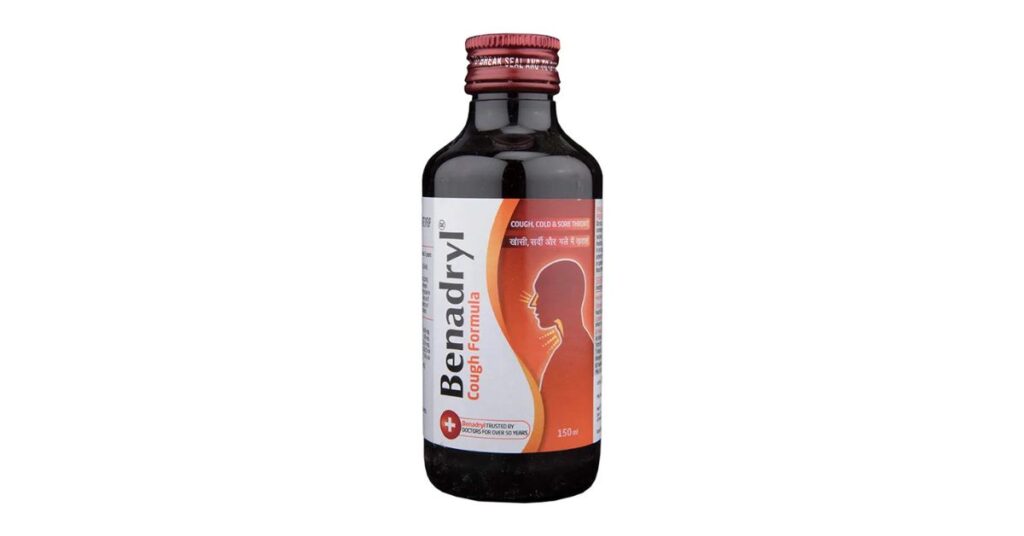
Benadryl’s antihistamine is diphenhydramine, most often 25 mg per tablet/capsule or 12.5 mg per 5 mL in many liquids.
Benadryl is a familiar name, yet the aisle can still feel tricky. A tablet box and a liquid bottle can both say “Benadryl,” while the actual diphenhydramine amount per dose can differ a lot. Add kids’ products and cold blends, and it’s easy to lose track of what you’re taking.
This article shows you where the antihistamine amount sits on the label, how to convert liquid mL into milligrams, and how to dodge common mix-ups that raise your dose without you noticing.
Antihistamine Amounts In Benadryl By Form
| Benadryl product type | Diphenhydramine strength on label | Quick note |
|---|---|---|
| Standard allergy tablet | 25 mg per tablet | Often the baseline strength for adult OTC diphenhydramine. |
| Caplet | 25 mg per caplet | Same active ingredient line as many tablets. |
| Capsule | 25 mg per capsule | Same strength as many solid forms; the shell changes, not the mg. |
| Children’s allergy liquid | 12.5 mg per 5 mL | Strength is tied to milliliters, so measure with the included device. |
| Many adult allergy liquids | 12.5 mg per 5 mL | A larger mL dose can equal 25–50 mg; check directions for the dose size. |
| Children’s chewable tablet (some products) | Often 12.5 mg per chewable | Some kids’ chewables are half-strength; the box is the only sure source. |
| Topical anti-itch products | Diphenhydramine on skin | It counts as diphenhydramine exposure even though it is not swallowed. |
| Multi-symptom “cold” formulas | Varies by formula | Diphenhydramine may be paired with pain relievers or decongestants, so double-check every active ingredient. |
The fastest way to verify a Benadryl solid form is the “Active ingredient” line on the drug facts panel. A typical label reads “Diphenhydramine HCl 25 mg” per tablet, like the official listing on the DailyMed Benadryl tablet Drug Facts.
Liquids usually show the strength as milligrams per 5 mL, then the directions tell you how many mL count as one dose. Once you connect those two lines, you’ll know the exact amount you’re taking.
How Much Antihistamine Is in Benadryl?
If you’re reading this because you typed “how much antihistamine is in benadryl?” into a search bar, your smart move is still the same: find the active ingredient line on the exact product you bought. Brand families change over time, and “Benadryl” can show up on more than one type of medicine.
In many standard allergy tablets, caplets, and capsules, the active ingredient line lists diphenhydramine HCl 25 mg per piece. In many allergy liquids, the label lists diphenhydramine HCl 12.5 mg per 5 mL. The product label is the final word, since there are multiple Benadryl-branded options.
What “antihistamine” means on the box
“Antihistamine” is the job description. Benadryl’s antihistamine is diphenhydramine. Other common allergy medicines use different antihistamines, which can feel different in your body. Diphenhydramine is known for making many people sleepy, even at standard OTC doses.
Why the label says “HCl”
You’ll usually see diphenhydramine HCl. The “HCl” is the salt form used in many medicines. For practical dosing, you rely on the milligram amount listed on the product, since that is what the directions and limits are built around.
Reading The Drug Facts Panel Fast
Ignore the front-of-box claims and go straight to the drug facts panel. Three spots answer nearly every “how much” question:
- Active ingredient: the diphenhydramine amount per tablet/capsule, or per 5 mL for many liquids.
- Directions: tells you the dose size and the spacing, such as every 4–6 hours.
- Warnings: calls out mixing rules and health conditions that call for extra caution.
If you only read one line, read “Active ingredient.” If you read two, add “Directions,” since one tablet is not always the only allowed dose, and a liquid dose can be far more than 5 mL.
Liquid Dose Math That Stays Simple
Liquids can feel confusing because the strength is written as “12.5 mg per 5 mL,” while directions may tell you to take 10 mL, 15 mL, or 20 mL. The trick is turning the label into a per-mL number.
When a bottle says 12.5 mg per 5 mL, that equals 2.5 mg per 1 mL. From there, multiply 2.5 by the dose size in mL.
- 10 mL × 2.5 mg/mL = 25 mg.
- 15 mL × 2.5 mg/mL = 37.5 mg.
- 20 mL × 2.5 mg/mL = 50 mg.
Use the dosing cup or syringe that comes with the product. “Teaspoon” guesses are a common way to drift above the intended dose.
Adult And Teen Use: What The Dose Size Usually Means
Many OTC diphenhydramine products allow adults and people age 12 and up to take 25–50 mg per dose, with spacing limits and a daily maximum listed on the box. Your specific product’s directions are the rule to follow, since limits are printed for that exact formula and form.
The bigger day-to-day issue is not the number on the box. It’s what the number does to you. Diphenhydramine often causes drowsiness, slowed reaction time, and dizziness. That’s fine if you’re home and resting. It’s a problem if you’re about to drive, work a shift on your feet, or handle anything that needs quick judgment.
When you need to stay alert
If you need clear attention, check the active ingredient line before buying. Many “non-drowsy” allergy medicines use different antihistamines and can be a better match for daytime use. The point is not the brand name. It’s what the active ingredient is.
Children’s Benadryl: Guardrails That Prevent Bad Mix-Ups
With kids, dosing is not a “small adult” situation. Many children’s products include age-based directions, and some also include weight-based charts. Follow the box for the exact product you have, and use the included measuring device so the mL is accurate.
Two label warnings show up again and again; always take them straight at face value:
- Do not use to make a child sleepy. This warning appears on many diphenhydramine labels.
- Do not use with other products containing diphenhydramine. The same drug can hide in more than one box.
If a child has ongoing allergy symptoms, a pediatrician or pharmacist can help match the right medicine and dose to the child’s age and situation, using the exact product strength on the label.
Mixing Traps That Quietly Raise Your Total
Most accidental “too much” situations start with mixing. A person takes an allergy tablet, later adds a nighttime cold medicine, and then uses an anti-itch cream. Each product might contain diphenhydramine, even when the brand names look unrelated.
Build a simple habit: before taking a second product, scan the active ingredient line. If you see diphenhydramine again, treat it as the same medicine and do not stack it unless a clinician has told you to.
Alcohol and other sedating medicines
Diphenhydramine can pair badly with alcohol and other medicines that make you sleepy. The combo can leave you groggy, unsteady, and unsafe to drive. If you feel confused, faint, or unusually slowed down, stop and get medical advice right away.
People Who Should Use Extra Caution
Diphenhydramine is common, yet it is not a great fit for everyone. Extra care makes sense if any of these apply:
- Adults over 65, since side effects like dizziness and confusion can hit harder.
- Glaucoma, asthma, or prostate enlargement, since symptoms may worsen.
- Pregnancy or breastfeeding, where choices should be personalized.
- Anyone who needs steady attention for safety-sensitive work, driving, or caregiving.
For a clear list of side effects and safety notes, see MedlinePlus diphenhydramine safety notes, which covers common effects like drowsiness and dry mouth, plus warning signs that call for medical care.
Missed Doses And Repeat Use
Benadryl is often taken “as needed.” If you miss a dose, you usually don’t do anything special. You wait, then follow the spacing rules on the box if symptoms return. Do not take extra to “catch up.”
If you find you are taking diphenhydramine again and again for days, pause and reassess. It can be a sign that the trigger is still present, or that another allergy plan would fit your day better. A pharmacist can help you pick a product that matches your symptoms and schedule without accidental overlap.
Overdose Red Flags And What To Do
Taking too much diphenhydramine can be dangerous. Many labels say to contact Poison Control right away if an overdose happens. In the United States, Poison Control is reachable at 1-800-222-1222.
Get urgent care if someone has severe confusion, hallucinations, seizures, fainting, trouble breathing, or a racing or irregular heartbeat. With children, treat any suspected swallowing of a large amount as urgent, even if the child seems calm at first.
Quick Reference Table For Label Reading
| Label line | What to read | Why it matters |
|---|---|---|
| Active ingredient | Diphenhydramine amount per tablet/capsule or per 5 mL | Defines the strength you are counting in milligrams. |
| Purpose | “Antihistamine” | Confirms the role of the medicine and helps you compare with other options. |
| Directions | Tablets or mL per dose, plus spacing like every 4–6 hours | Turns strength into a real dose size and schedule. |
| Age limits | Minimum ages, child charts, and “ask a doctor” cutoffs | Prevents guessing with children’s dosing. |
| Do not use with | Other products containing diphenhydramine | Prevents accidental stacking across multiple boxes. |
| Ask a doctor before use | Health conditions and medicine interactions | Flags groups more likely to get rough side effects. |
| Dosing device note | Use only the included cup or syringe | Keeps your measured mL close to the label dose. |
A Simple Checklist Before You Take A Dose
- Read the active ingredient line and note the diphenhydramine strength.
- Read the directions and note the dose size in tablets or mL.
- If it’s a liquid, convert mL to mg using the per-5-mL strength.
- Scan warnings for mixing rules and for any condition warnings that apply to you.
- Plan around drowsiness: take it only when you can rest and stay safe.
Benadryl tablets and capsules list 25 mg of diphenhydramine each. Liquids often list 12.5 mg per 5 mL. Match strength to dose size. Searched “how much antihistamine is in benadryl?” Read the ingredient line.