
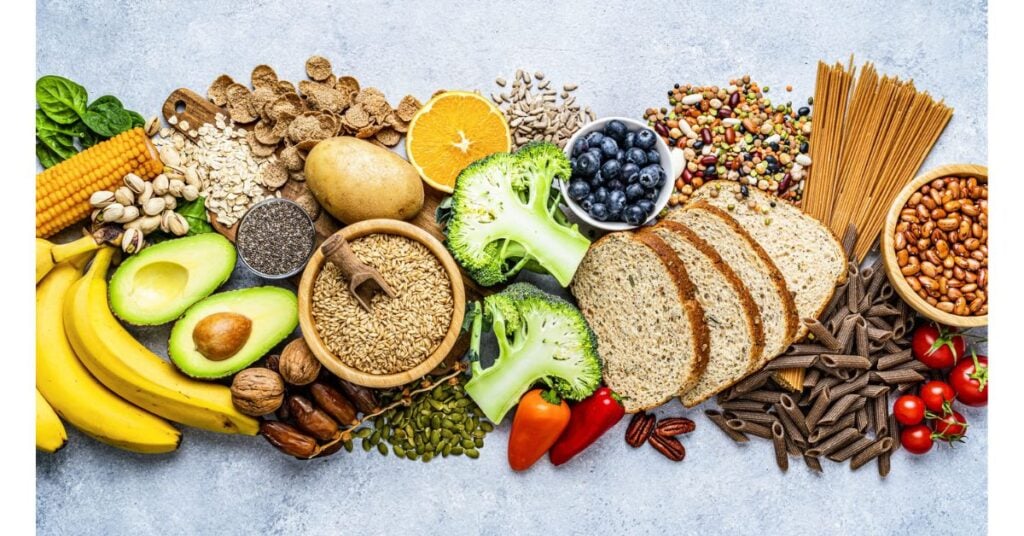
Most adults do well by eating several colorful plant foods daily; there’s no official antioxidant milligram goal to hit.
Search for a number and you’ll see lines like “10,000 ORAC” or “1,000 mg.” Antioxidants aren’t one nutrient, and they don’t come with a target like calcium.
So what’s a sensible answer to how much antioxidants per day? Use food-based targets: plenty of fruits and vegetables, plus beans, nuts, whole grains, herbs, spices, tea, and cocoa.
How Much Antioxidants per Day? A Practical Target
If you want one rule you can live with, aim for at least five portions of fruits and vegetables a day, spread across meals and snacks, and try to get several colors across the week. This lines up with broad public-health guidance that focuses on plant variety, not antioxidant “units.” The color mix matters because different plants carry different compounds.
Think in portions you can eyeball. A portion is often around one medium piece of fruit, a cup of leafy greens, or a half-cup of cooked vegetables. Frozen and canned options count too, as long as added sugar and salt stay reasonable.
| Food (Common Serving) | Antioxidants You’ll Get | Easy Way To Use It |
|---|---|---|
| Blueberries (1/2–1 cup) | Anthocyanins, polyphenols | Stir into yogurt or oats |
| Spinach (1–2 cups raw) | Lutein, zeaxanthin, vitamin C | Toss into eggs or soups |
| Red bell pepper (1 medium) | Vitamin C, carotenoids | Slice for snacks, add to stir-fry |
| Tomatoes (1 cup or 1 medium) | Lycopene | Use in salads, sauces, sandwiches |
| Black beans (1/2 cup cooked) | Polyphenols, fiber-related compounds | Add to tacos, bowls, salads |
| Walnuts (1 oz / small handful) | Polyphenols, vitamin E | Top oatmeal or salads |
| Green tea (1–2 cups) | Catechins | Swap for one sweet drink |
| Extra-virgin olive oil (1 tbsp) | Phenolic compounds | Dress veggies or beans |
| Dark chocolate 70%+ (1–2 squares) | Flavanols | Finish a meal, not a meal replacement |
| Turmeric + black pepper (1/2–1 tsp) | Curcuminoids | Mix into lentils, rice, soups |
Why There Isn’t A Single Daily Antioxidant Number
Daily targets exist when science can tie a nutrient to clear deficiency symptoms and set an intake that prevents them for nearly everyone. With antioxidants, the story is messier. You’re dealing with many different compounds, each absorbed and used differently.
Labs can measure “antioxidant capacity” in foods, and you’ll see scores like ORAC floating around. These scores don’t translate neatly to what happens after you eat the food. Your body breaks down, modifies, and excretes many compounds, and your gut microbes also change them. A food that ranks high on a lab test isn’t guaranteed to deliver the same punch in your bloodstream.
That’s why most trustworthy guidance steers people toward food patterns: more plants, more variety, and fewer ultra-processed swaps. When you do that, antioxidant intake rises as a side effect, and you also get fiber, potassium, folate, and other nutrients that travel with plant foods.
Daily Antioxidant Intake: Food-Based Ranges That Work
If numbers motivate you, use numbers that match real choices. These targets are easy to track and they map onto antioxidant-rich foods without turning meals into math.
Hit A Five-A-Day Floor
The World Health Organization describes a healthy-diet pattern that includes at least 400 g (about five portions) of fruits and vegetables per day. You can read the detail on the WHO healthy diet fact sheet. Treat this as a floor, not a finish line. More plant foods usually means more different antioxidant compounds.
Use A Simple Color Check
Try to see three colors on your plate at least once a day, then rotate colors across the week. Greens and reds are easy at lunch and dinner. Blue and purple can show up at breakfast with berries or at snack time with grapes or plums.
Add Two “Bonus” Plant Sources
Beyond fruits and vegetables, choose two of these daily: a half-cup of beans or lentils, a handful of nuts, a cup of tea, a spoon of herbs or spices, or a whole grain swap. These add polyphenols and vitamin E without much extra planning.
How To Build A Day Of Antioxidant-Rich Eating
Here’s a practical way to stack antioxidants through normal meals. You don’t need every item listed; pick what fits your routine and budget.
Breakfast
- Oats topped with berries and walnuts
- Greek yogurt with chopped fruit and cinnamon
- Eggs with spinach and tomatoes, plus a piece of fruit
Lunch
- Bean-and-veg bowl with olive oil and lemon
- Big salad with mixed greens, peppers, tomatoes, and a handful of nuts
- Soup built on onions, garlic, carrots, and leafy greens
Dinner
- Roasted vegetables with a whole grain and a protein
- Stir-fry with peppers, broccoli, mushrooms, and ginger
- Tomato-based pasta sauce loaded with extra vegetables
Cooking And Storage Moves That Keep Antioxidants Around
Cooking can lower some nutrients and boost others. Vitamin C can drop with long heat, yet cooking tomatoes can raise lycopene availability. You don’t have to chase perfection. Use a mix of raw and cooked plants and you’ll get both sides.
Use Short Heat When You Can
Quick sautéing, steaming, or microwaving tends to preserve more vitamin C than long boiling. If you boil, use the cooking water in soups or sauces so water-soluble compounds stay in the meal.
Store Produce Like You’ll Eat It
If berries go mushy in your fridge, buy frozen. If leafy greens wilt before you get to them, grab pre-washed bags or add greens to hot dishes where they soften fast. Consistency beats waste.
Pair Plants With A Little Fat
Many carotenoids absorb better with dietary fat. Olive oil, nuts, seeds, avocado, and even a bit of cheese can help your body use those compounds from carrots, greens, and peppers.
Supplements: When “More” Can Backfire
People often assume antioxidant pills are a shortcut. Large trials haven’t delivered the simple story many hoped for, and high doses can be risky in some cases. The National Center for Complementary and Integrative Health has a clear overview on antioxidant supplements and safety, including the fact that some supplements may interact with medicines or act differently than food sources.
Food packages antioxidants with fiber and many plant chemicals that pills don’t match. Pills also make it easy to overshoot. Fat-soluble vitamins, like vitamin E, can build up in the body. Beta-carotene supplements have raised concerns for smokers in some research settings. If you’re taking blood thinners, preparing for surgery, pregnant, or managing a chronic condition, loop in your clinician before starting a high-dose supplement.
That doesn’t mean supplements are always wrong. Some people need targeted nutrients due to a diagnosed deficiency, a restrictive diet, or a medical plan. That’s a different situation than taking “antioxidants” as a general daily habit.
Signs You’re Getting Enough Without Counting
You don’t need a lab test to spot a pattern that’s working. Use these practical cues to judge your day-to-day antioxidant intake.
| Daily Habit | What To Aim For | How It Looks In Real Meals |
|---|---|---|
| Fruit and vegetable portions | 5+ portions most days | Fruit at breakfast, salad at lunch, two vegetables at dinner |
| Color mix | 3 colors in a day | Greens + red + orange, then rotate berries or purple produce |
| Legumes | 1/2 cup a few times weekly | Beans in bowls, lentils in soups, chickpeas in salads |
| Nuts and seeds | Small handful most days | Walnuts with oats, pumpkin seeds on salads |
| Whole grains | At least one swap daily | Oats, brown rice, whole-wheat bread, barley |
| Herbs and spices | Use them daily | Garlic, ginger, turmeric, oregano, cinnamon |
| Added sugar drinks | Keep them rare | Tea, coffee, or water instead of soda most days |
Common Mistakes That Make Antioxidants Harder To Get
Most problems aren’t about “not knowing.” They’re about routines that crowd plants out.
Relying On One “Superfood”
Eating blueberries every day is fine, but variety brings more compounds. Rotate berries with citrus, apples, grapes, and stone fruit. Swap spinach with kale, arugula, cabbage, and broccoli.
Letting Vegetables Be An Afterthought
If vegetables only show up when you feel guilty, intake stays low. Try one default: a bagged salad, frozen mixed vegetables, or a ready-to-eat veggie tray. Put it on your plate first, then add the rest.
Overdoing Juice
Juice can carry antioxidants, yet it’s easy to drink a lot of sugar quickly and miss the fiber that comes with whole fruit. If you like juice, keep the portion small and treat it like a side, not the base of your day.
If you take prescription medicines, or if you smoke or recently quit, skip high-dose antioxidant pills unless your clinician recommends them for a specific reason.
A Simple Plan You Can Start This Week
If your meals feel scattered, try this low-effort structure for seven days. It builds antioxidant intake through repetition and variety, without new rules every meal. Keep frozen mixed vegetables handy for quick backups.
Pick Two Go-To Breakfasts
Choose two options and alternate: oats with fruit and nuts, or eggs with greens and tomatoes. Keep frozen berries on hand so you’re not stuck with produce that spoils fast.
Keep One Easy Lunch Template
Use a bowl or salad template: greens or grains, then beans, then two colorful vegetables, then a simple dressing with olive oil. Switch the vegetables and spices to keep it fresh.
Make Dinner A “Two-Veg” Default
Build dinner around two vegetables you’ll eat. Roasting is easy: one tray of broccoli or Brussels sprouts, one tray of carrots or peppers. Add a protein and a starch, and you’re set.
After a week, you won’t need to ask how much antioxidants per day? as often. You’ll have a pattern that keeps your plate stocked with the foods that deliver them.