
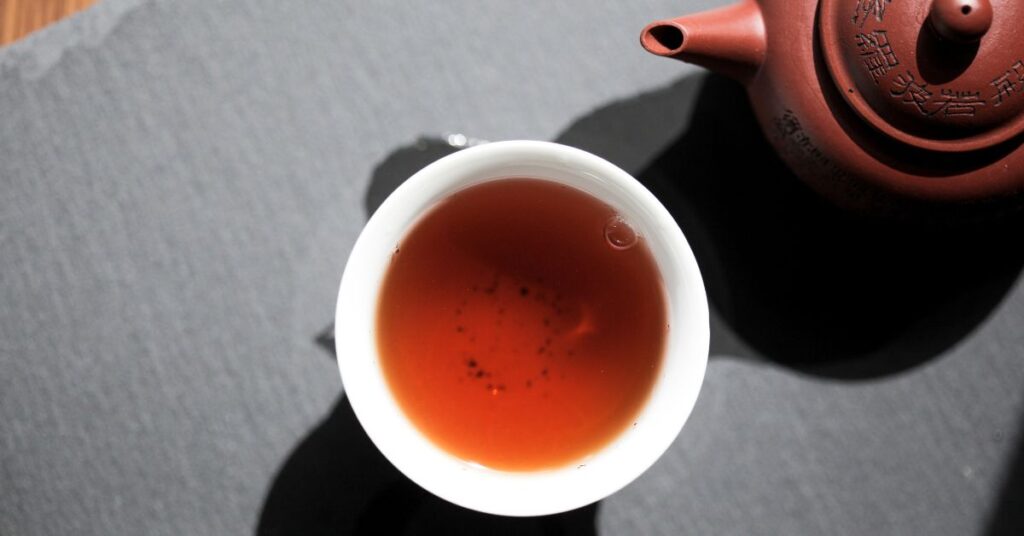
Most cups of chamomile tea contain a small amount of apigenin, often around 0.5–3 mg per 240 ml cup, with long, strong steeps sometimes near 5 mg.
Chamomile tea is simple: dried flowers, hot water, a few quiet minutes. The tricky part is the number. Apigenin isn’t printed on tea boxes, and lab results vary by plant variety, processing, and how you brew.
This guide gives you a realistic range, then shows how to push your cup toward the high end without making it taste like bitter weeds.
If you want the chemistry basics, the PubChem apigenin compound record is a solid reference for names, structure, and linked literature.
What Apigenin Is And Why Chamomile Has It
Apigenin is a plant flavone. In chamomile, much of it sits in the flower as apigenin bound to sugars (glycosides). Hot water can pull those water-soluble forms into your mug. Over time, some of those glycosides can break down and leave more free apigenin in the drink.
That’s why steep time matters so much. You’re not only extracting compounds. You’re also giving the brew time to shift what form those compounds are in.
Fast Numbers That Move The Most
Before we get into ranges, it helps to see what changes the count. Small tweaks can double the extraction without fancy gear.
| What Changes Your Cup | What Usually Happens | Quick Fix |
|---|---|---|
| Tea amount per cup | More flower raises the ceiling | Weigh 2 g per 240 ml |
| Steep time | Longer steep pulls more flavones | 10–15 minutes |
| Water heat | Hotter water extracts faster | Pour just off boil |
| Mug shape | Wide mugs cool faster | Use a smaller opening |
| Topped mug | Heat stays steady, extraction rises | Use a saucer on top |
| Flower quality | Fresh, fragrant flowers tend to carry more | Buy small, store dark |
| Bag vs loose leaf | Loose often gives more material per cup | Choose whole heads |
| Re-steeping | Second steep adds a little, not a lot | Use more flower instead |
How Much Apigenin in Chamomile Tea?
In plain terms, chamomile tea has apigenin in milligram amounts, not tens of milligrams, and not “none.” A typical cup brewed from around 1–2 grams of dried chamomile often lands in the 0.5–3 mg range. With more flower and a longer steep, it can climb toward 5 mg in a strong 240 ml cup.
Why the spread? Dried chamomile flower itself can vary a lot. Reviews often cite a few milligrams of apigenin per gram of dried flower, but your cup only captures part of what’s in the plant. Extraction depends on heat, time, and how finely the tea is cut.
What “Per Cup” Means In Real Kitchens
When people say “a cup,” they mean anything from a 200 ml mug to a 400 ml bowl-sized monster. If you don’t scale the tea amount with the water amount, the apigenin per cup drops fast.
A simple anchor: 2 grams of chamomile for 240 ml water. That’s the kind of ratio that keeps your results repeatable.
A Practical Range You Can Use
Here’s a grounded way to think about it:
- Light brew (tea bag, 5 minutes): often around 0.5–1.5 mg
- Standard brew (1–2 g, 8–10 minutes): often around 1–3 mg
- Strong brew (2–3 g, 12–15 minutes, topped mug): often around 3–5 mg
Those are not guarantees. They’re working ranges that match how dried flower content and water extraction usually behave.
Apigenin In Chamomile Tea By Brew Style And Time
If your goal is a steadier apigenin dose, your brew style matters more than brand hype. You can tune the cup the way you tune coffee: ratio, heat, and time.
Tea Bags Versus Loose Flower Heads
Tea bags are convenient, but they’re often packed light. Many bags are around 1 gram. If you brew one bag in a big mug, you can get a pleasant tea with a lower apigenin pull.
Loose flower heads let you control grams and see what you’re using. Whole heads also tend to keep more aroma, which is a decent “freshness tell” at home.
Steep Time That Moves The Needle Without Ruining Taste
Apigenin is not the only compound that moves with time. Longer steeping can also bring more bitterness. The sweet spot for many people is 10 minutes. If your chamomile is mild and clean tasting, 15 minutes can still be pleasant.
Try this once: steep one mug for 5 minutes and one for 15 minutes using the same grams. Taste side by side. You’ll quickly learn what your mouth tolerates.
Heat And A Simple “Top The Mug” Trick
Chamomile extraction likes heat. Pour water that’s just off the boil, then top the mug with a saucer. You’re not doing it for ritual. You’re keeping the temperature higher for longer, which helps pull more flavones into the water.
How To Estimate Apigenin In Your Own Cup
You can’t measure apigenin at home without lab gear, but you can estimate it with a simple back-of-the-napkin model. It’s good enough to compare brews and keep your routine steady.
Step 1: Start With Flower Content
Many papers report apigenin in dried chamomile flower in micrograms per gram or milligrams per gram. A common ballpark is 3–5 mg per gram of dried flower, with variation by source and testing method.
Step 2: Apply A Brew Extraction Share
Your cup won’t pull 100% of that apigenin. A realistic extraction share for a home steep might be 15% on a short brew, then 30–50% on a long, hot, topped mug brew.
Step 3: Do The Math
If you use 2 grams of chamomile at 3–5 mg/g, you have 6–10 mg of apigenin in the plant material. If your brew captures 30%, that’s 1.8–3 mg in the cup. If it captures 45%, that’s 2.7–4.5 mg.
What Else Changes The Apigenin You Get
Two boxes labeled “chamomile” can behave like different teas. Here are the hidden variables that matter.
German Versus Roman Chamomile
Most supermarket chamomile tea is German chamomile (Matricaria chamomilla, also called Matricaria recutita). Roman chamomile (Chamaemelum nobile) is a different plant with a different profile. If you’re chasing a steadier apigenin number, pick one type and stick to it.
Cut Size And Powdery Bags
Finer cuts can extract faster, yet they also make it easier to get a dusty, harsh cup if steeped long. Whole heads extract slower, but a longer steep stays cleaner for many people.
Storage And Age
Heat, light, and oxygen push herbs toward “flat.” Store chamomile in a sealed jar, away from sun, away from the stove. If it smells like cardboard, don’t expect much from it.
Safety Notes You Should Know Before Chasing Higher Doses
Chamomile tea is widely used as a food-style drink. Still, “natural” doesn’t mean risk-free for every person. The U.S. National Center for Complementary and Integrative Health has a clear overview of cautions, including allergy risk and possible interactions: NCCIH chamomile safety and use.
Here are the practical points to keep in your head while you scale up your brew:
- Ragweed-type allergies: If you react to ragweed or similar plants, chamomile can trigger allergy symptoms in some people.
- Blood thinners and surgery: If you take anticoagulants or you’re heading into surgery, ask your clinician about herb teas you drink often.
- Pregnancy: If you’re pregnant, it’s smart to keep intake modest and bring it up at prenatal visits.
- Kids: Small cups are fine for many families, yet start low and watch for allergy signs.
If any of those points apply to you, chasing the highest possible apigenin cup isn’t worth the trade.
Picking Chamomile Tea When Apigenin Is The Goal
Marketing copy won’t help you. A few grounded shopping cues will.
Choose Plain Chamomile First
Blends can taste nice, yet they dilute the grams of chamomile per scoop. If you want a steadier apigenin range, use plain chamomile as your base and add other herbs only when flavor matters more than the number.
Look For Whole Heads Or Flower-Rich Bags
Whole flower heads often smell sweeter and “alive.” That doesn’t prove apigenin content, but it’s a good shortcut for freshness and handling.
Buy Smaller Quantities More Often
A giant bag that sits for a year is not a bargain. Buy what you’ll finish in two to three months, then restock.
A Simple Brew That Lands Near The High End
This is a home routine that often keeps a cup in the upper part of the typical range without turning it harsh.
- Weigh 2 grams of chamomile for a 240 ml cup (or 3 grams for a 350 ml mug).
- Pour water just off the boil.
- Top the mug with a saucer.
- Steep 10 minutes. Taste. If it’s still smooth, steep 15 minutes next time.
- Strain well, or remove the bag and press it lightly with a spoon.
Do this the same way for a week if you’re trying to judge how it feels for you. Consistency beats guessing.
Apigenin Estimates You Can Calculate
The table below uses a simple model: apigenin in dried flower at 3–5 mg per gram, then a brew extraction share based on time and heat. It’s a planning tool, not lab data. It helps you pick a routine and stay in a known band.
| Brew Setup | Assumptions Used | Estimated Apigenin |
|---|---|---|
| Tea bag, 5 min | 1 g flower, 20% extraction | 0.6–1.0 mg |
| Tea bag, 10 min | 1 g flower, 30% extraction | 0.9–1.5 mg |
| Standard mug, 10 min | 2 g flower, 30% extraction | 1.8–3.0 mg |
| Standard mug, 15 min | 2 g flower, 45% extraction | 2.7–4.5 mg |
| Loose leaf, 15 min | 2.5 g flower, 45% extraction | 3.4–5.6 mg |
This isn’t a lab result. It’s a way to sanity-check claims and tune your brew. If you want a steadier cup, measure the grams once, write down the steep time, and keep those two the same for a week.
Common Mistakes That Lower The Apigenin In Your Mug
- Too little tea. A lightly filled bag in a huge mug can taste fine and still be low in extracted flavones.
- Water that’s not hot enough. Lukewarm pours slow extraction.
- Steeping in an open mug. Heat drops fast, especially in winter kitchens.
- Old chamomile. A flat smell is a warning sign.
- Short steeps out of habit. If you want more, give it time.
A Quick Checklist For A Repeatable High-Apigenin Brew
Use this as your last step before you settle in with the mug.
- 2 grams chamomile per 240 ml cup
- Water poured just off the boil
- Mug topped while steeping
- 10 minutes steep, or 15 if taste stays pleasant
- Same brand for a full week if you’re tracking effect
If you came here asking how much apigenin in chamomile tea? the honest answer is “a small, variable dose.” With a measured scoop, hot water, and a longer steep, you can keep your cups in a tighter band, and you’ll know what you’re drinking night after night.
how much apigenin in chamomile tea? gets searched for: a number you can use. Use ranges, then keep brew consistent.