
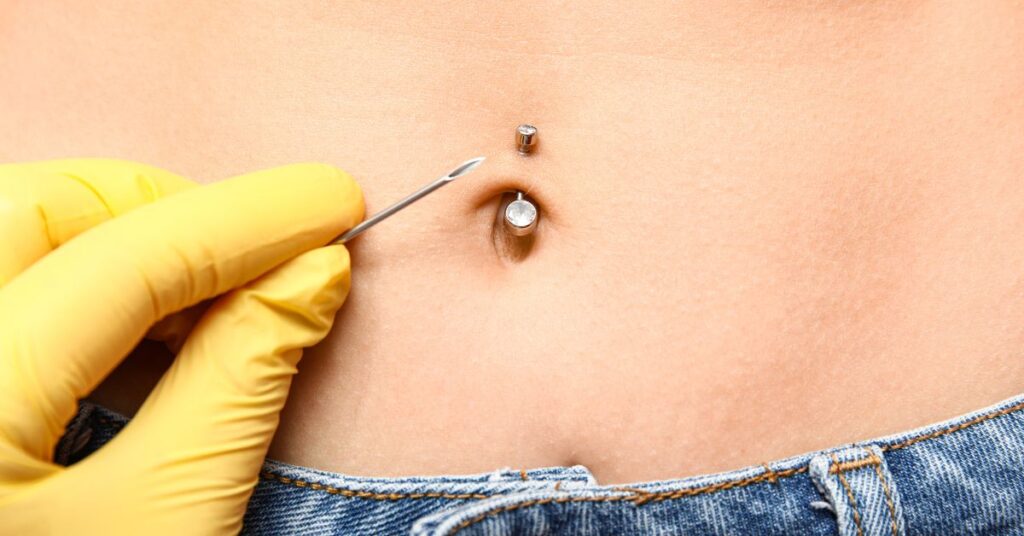
A belly button piercing typically costs $40–$100 for service; jewelry adds $20–$200+ based on material and style.
New to navel piercings and curious about the bill? This guide lays out real prices, what drives them up or down, and how to budget without cutting corners on safety. You’ll also see how studio fees and jewelry choices interact, so you can walk in with a clear plan and walk out happy.
How Much Does A Belly Button Piercing Cost? Typical Price Ranges
If you’re asking, “how much does a belly button piercing cost,” the short math comes from two parts: a service fee and the jewelry you choose. Many reputable U.S. studios list a piercing service fee in the $40–$100 range for a standard navel. That fee covers the setup, sterile tools, and the piercer’s time. Most shops charge jewelry separately, and that line item can swing the total more than anything else. Expect basic implant-grade titanium to start near $30–$60, with gold or gem ends taking the total into triple digits.
| Line Item | Typical Price | Notes |
|---|---|---|
| Service Fee (Navel) | $40–$100 | Studio listed fee for the piercing procedure. |
| Titanium Curved Barbell | $30–$60 | Implant-grade options cost more than mystery alloys. |
| Surgical Steel Curved Barbell | $20–$45 | Some people react to nickel in steel; titanium avoids that. |
| 14k Gold Curved Barbell | $80–$250+ | Price rises with weight, brand, and finishes. |
| Gemstone/Decorative End | $25–$150+ | Quality stones, settings, and thread type change price. |
| Sterile Saline Spray | $8–$18 | Convenient for aftercare during the first weeks. |
| Tip For The Piercer | $10–$30 | Customary service tip, based on your budget. |
| Typical Out-The-Door Total | $75–$250+ | Service + basic jewelry + tax + tip. |
Put simply, the base fee sets the floor while jewelry sets the ceiling. If you keep the jewelry simple and safe, your final bill often lands near $90–$140 at many shops. If you want gold or a designer end, plan for a larger spend.
Belly Button Piercing Cost Breakdown & Realistic Budget
Three variables move the total the most: the studio’s service fee, the jewelry material, and the add-ons you buy on day one. Below is how each piece shapes your budget.
Service Fee: What You’re Paying For
The fee isn’t just the needle. It covers a trained professional, a clean workstation, sterile single-use supplies, and time to mark, pierce, and install jewelry. Shops in big metros often sit near the top of the range. Smaller markets sometimes land near the middle.
Jewelry Material: The Biggest Swing
Implant-grade titanium is a go-to for fresh piercings because it’s nickel-free and light. Steel can be budget-friendly yet may contain nickel. Solid 14k gold looks great but costs more and is usually saved for healed piercings unless the design is simple and well-made. Fancy gem ends add both sparkle and dollars.
Add-Ons: Aftercare And Follow-Ups
Many clients pick up a small can of sterile saline on day one. You may also come back to downsize the bar once swelling settles, which can involve a small jewelry or service charge. A tip for good service is normal in many shops.
Safety First: What To Look For In A Studio
Safe shops are transparent about sterilization and jewelry materials. Ask to see the sterilizer (autoclave) logs, and look for jewelry labeled implant-grade titanium or solid gold. Avoid unmarked alloys and plated pieces for the initial piercing. Clear aftercare instructions are another good signal.
What The Pros Say About Materials And Aftercare
The Association of Professional Piercers publishes guidance on both jewelry and aftercare. They recommend implant-grade titanium for initial wear and simple saline for cleaning. Read more on jewelry for initial piercings and the aftercare basics to see the specific material standards and cleaning steps.
What Real Studios Charge
Price sheets from established studios commonly show navel service fees near the mid range with jewelry sold à la carte. Many also advertise discounts when you get multiple piercings in one visit. The exact number you’ll see at the register depends on the jewelry you choose and local tax.
How The Total Varies By Choice
Budget Build (Safe And Simple)
Pick a mid-range studio, a plain implant-grade titanium barbell, saline spray, and a modest tip. Expect a total around $90–$140 in many cities.
Mid-Tier Build (A Little Sparkle)
Choose a studio at the top of the fee range and a titanium or gold-tone piece with a small gem end. Expect $140–$220+, based on brand and gem.
Premium Build (Gold Or Designer End)
Select a high-fee studio or a major metro location, add a solid 14k gold barbell or a designer stone end, and your total can land anywhere from $220 to $400+.
Placement Details That Can Nudge The Price
Traditional Vs. Floating Navel
Many navels take a standard curved barbell through the upper rim. Some anatomy calls for a “floating” style that uses a flat disc on the bottom to sit flush. That style can add a small cost if it needs a specialty end.
Threadless Vs. Internally Threaded
Threadless systems use a tension pin and are quick to swap later. Internally threaded jewelry is common and smooth during insertion. Both can be great in skilled hands. Designer threadless ends often cost more up front but make future styling easy.
Gauge And Length
Navel piercings are commonly done at 14g with length adjusted for swelling. Longer starter bars can cost a few dollars more, and a downsize later may involve a small charge if you need a new bar.
How Long It Takes To Heal And Why That Affects Cost
Navel piercings often take months to settle and can need a downsize once swelling fades. That swap can involve a small jewelry charge or a quick-service fee. Keep your original bar, since some shops offer a discount when you bring it back.
Hidden Costs To Budget For In Month One
- Saline: a small can labeled 0.9% sodium chloride keeps care easy on the go.
- Loose tees: soft waistbands or high-rise leggings help keep friction away.
- Travel time: factor a follow-up visit if your shop recommends a downsize.
- Backup cash: in case you spot a jewelry end you love at the counter.
How To Read A Price Sheet Like A Pro
Most shops split costs into three lines: a service fee, the jewelry, and tax. Look for notes on downsize appointments and any discounts for multiple piercings in one session. Ask if the quote includes a can of saline or if you’ll buy that separately.
What The Web’s Big Health Sites Say About Pricing
National health publishers place the service fee in the same ballpark. WebMD lists a going rate between $40 and $100 with some shops charging jewelry separately. See their write-up on belly button piercing cost for context across cities.
Simple Budget Templates You Can Use
Starter Plan ($100–$140)
Service fee near $60, basic titanium jewelry around $40, saline spray, tax, and a small tip. Clean, safe, no extras.
Shine Plan ($160–$240)
Service fee near $80, titanium with a small gem or a plain 14k piece, saline, and a standard tip.
Statement Plan ($250–$400+)
High fee studio, solid gold with a designer end, and a generous tip. Big style, bigger bill.
Price Drivers At A Glance
| Factor | Effect On Price | Why It Matters |
|---|---|---|
| City & Rent | Higher in big metros | Overhead and demand push fees up. |
| Piercer’s Experience | Higher for seasoned pros | You’re paying for consistent placement and technique. |
| Jewelry Material | Biggest swing | Titanium keeps totals lower; gold and gems add fast. |
| Brand & Design | Moderate to big | Designer ends, unique stones, and threadless systems cost more. |
| Anatomy Complexity | Small to moderate | Floating or custom angles can take more time. |
| Aftercare Purchases | Small | Saline and gentle soap add a few dollars. |
| Sales Tax & Tip | Small to moderate | Varies by region and your tip choice. |
Smart Ways To Save Without Cutting Safety
- Call two or three shops: ask for the navel service fee and entry-level titanium choices.
- Keep day-one jewelry simple: a plain curved barbell keeps totals friendly and heals clean.
- Plan the glow-up later: swap to gold or a sparkly end once healed.
- Check for multi-pierce discounts: many studios reduce the per-pierce fee when you book more than one.
Small Details That Improve Value
Clean placement and good jewelry pay off for months. Threadless systems make styling simple down the line. Internal threading avoids scratching during insertion. Implant-grade metals track well with calm healing. A short follow-up to check angles and fit keeps the look tidy.
Common Mistakes That Add Costs
Chasing The Lowest Sticker
A rock-bottom fee can mean rushed service or poor jewelry sourcing. Read reviews, ask questions, and look for a clean, professional space before you book.
Starting With Plated Pieces
Plating can wear in a fresh piercing. Save plated looks or fashion pieces for later, once everything is calm.
Skipping The Downsize
Wearing a long starter bar too long can snag or shift angles. A timely downsize protects the piercing and the jewelry you already paid for.
How We Built These Numbers
This guide blends public price ranges from national health publishers with real studio patterns and standards from the body piercing field. The Association of Professional Piercers shares material and aftercare guidance that helps explain why certain jewelry costs more and why simple saline is a staple on day one.
How Much Does A Belly Button Piercing Cost? Final Take
You came here to answer one thing: how much does a belly button piercing cost? With a standard studio fee of $40–$100 and safe jewelry starting near $20–$60 for titanium or steel, most people pay around $90–$200 on day one. Gold and designer ends raise the ceiling. Pick a skilled piercer and quality materials, and set a budget that matches your style goals.