
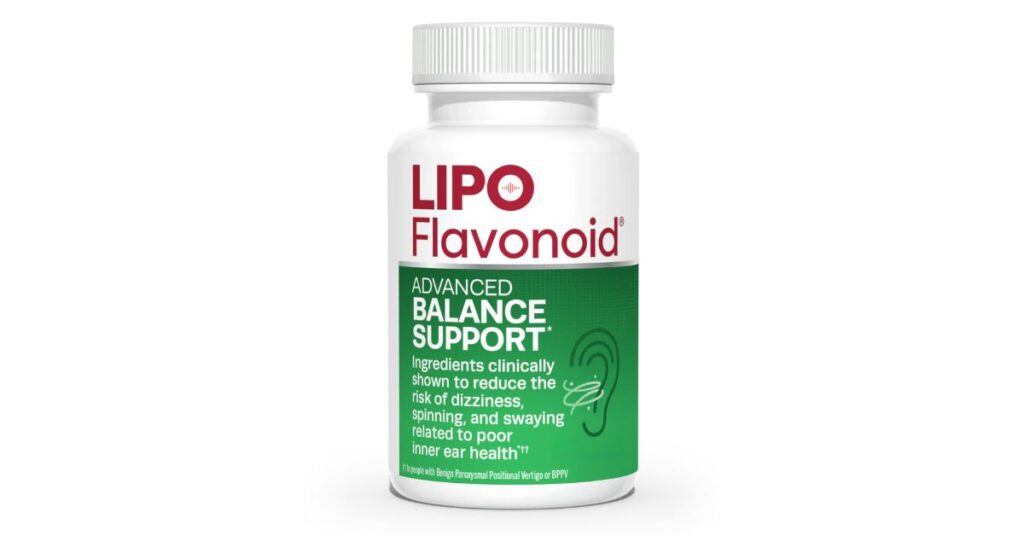
Most adults follow 2 caplets three times daily for 60 days, then 1 caplet three times daily, per product directions.
Lipo-Flavonoid is an over-the-counter combination of citrus bioflavonoids and vitamins that many people try for ringing in the ears. If you’re here to figure out how much to take, you’ll find the label-based schedule below, plus plain-English guidance on timing, what to expect, and safety notes backed by reputable sources.
Quick Dose Schedule For Lipo-Flavonoid
The brand’s directions lay out a loading phase followed by a lighter ongoing plan. Here’s the fast view to help you plan your day.
| Phase | Amount | Duration |
|---|---|---|
| Start (Loading) | 2 caplets, 3× daily (morning, midday, evening) | At least 60 days |
| Ongoing (Maintenance) | 1 caplet, 3× daily | After the first 60 days |
| With Food | Take doses with meals if your stomach feels uneasy | Any time |
Those directions come directly from the manufacturer’s guidance and are repeated by major retailers. The label asks first-time users to stick with the higher intake for at least two months before stepping down. You’ll find the same language on the brand site and on large retail product pages (two caplets, three times daily for 60 days; then one caplet, three times daily).
Dosing For Lipo-Flavonoid: Safe Schedule And Tips
This section expands on the schedule in real-life terms so you can follow it without guessing.
Morning, Midday, Evening Rhythm
Space the three daily times roughly 6–8 hours apart. A simple plan is breakfast, mid-afternoon, and after dinner. If you already take other vitamins at breakfast, you can pair the morning caplets with that meal to keep things simple.
Why The Two-Month Loading Period Exists
The brand sets a long runway because inner-ear symptoms can ebb and flow. A short trial can be misleading. Sticking with the higher intake for 60 days gives you a stable window to judge whether it changes your day-to-day ringing or fullness.
How To Step Down
After day 60, switch from two caplets three times daily to one caplet three times daily. Keep the timing the same. If you notice no change after the first phase, you can end the trial; there’s no evidence that dragging it out for many months adds benefit.
What The Evidence Says (So You Can Set Expectations)
It’s wise to know what science shows before you invest time and money. A small randomized study followed people for six months and compared two approaches: manganese plus Lipo-Flavonoid vs. Lipo-Flavonoid alone. The results did not show a clear win, and many participants dropped out.
Trusted health groups also say there’s no proven pill that fixes ringing in the ears. The American Tinnitus Association states that the U.S. FDA has not approved dietary supplements for ringing-ear treatment and that supplements haven’t been shown to reduce the perception of the noise. The federal NIDCD echoes that there is no cure and points people toward options like sound-based strategies and counseling-type care. You can read those advisories here: ATA statement on supplements and NIDCD guidance on tinnitus.
Bottom line on expectations: label directions tell you how much to take; research and national groups caution that results are uncertain. Use a defined trial window, track your symptoms, and decide based on your own experience.
Who Might Try A Lipo-Flavonoid Trial
Some people prefer a time-boxed trial when other measures aren’t enough. The typical candidate is an adult with steady ringing who wants to see whether a vitamin-flavonoid mix changes loudness or annoyance. Kids, people who are pregnant, and people with complex medical conditions should ask their doctor first.
When It’s Better To Pause Or Skip
- You have citrus allergies or react to bioflavonoids.
- You take many daily medicines and worry about pill burden or interactions.
- You already tried a full two-month course with no change.
How To Track Your Two-Month Trial
Use a simple 0–10 scale for loudness and for how much the sound bothers you. Note sleep, concentration, and mood. Check in weekly. If both scores don’t shift at least a couple of points by the end of the loading phase, continuing rarely makes sense.
Pair With Proven Strategies
Sound enrichment and hearing care help many people live better with tinnitus-type noise. The NIDCD outlines options like wearable sound devices and behavioral strategies that retrain how your brain reacts to the sound. Read their overview for practical steps: NIDCD tinnitus page.
Safety Notes, Interactions, And Common Reactions
Lipo-Flavonoid products contain citrus bioflavonoids (often noted as eriodictyol glycoside) with a mix of B-complex vitamins and vitamin C. Promotional material sometimes claims inner-ear effects, but those statements come from the brand, not from large clinical trials.
Typical Reactions
- Mild stomach upset: take with food or split doses more evenly across the day.
- Headache or flushing from niacin in sensitive users.
- Sleep changes if you take the last dose late at night.
Medicine And Condition Check
Always tell your doctor about new supplements, especially if you use blood thinners, have kidney or liver disease, or follow restrictions for other reasons. Supplements can change lab tests or interact with medicines. The ATA notes that supplements are not FDA-approved tinnitus treatments, which is why medical review is wise before a long trial.
When To Stop
- No clear change after the 60-day loading period.
- New rash, swelling, or breathing trouble.
- Worsening headaches, dizziness, or new ear pain.
Timing, Food, And Missed Doses
Best Time To Take It
A meal-based rhythm helps many people stick with the plan. Take the evening dose early if late-night vitamins keep you awake.
If You Miss A Dose
Skip the missed time and take the next one as planned. Avoid doubling up late at night.
Travel And Work Days
Pre-sort caplets in a small pill case. Keep one dose in a bag or desk drawer. If you fly, pack supplements in a carry-on so you don’t miss times.
What To Expect Week By Week
Ringing often fluctuates even without treatment, so day-to-day shifts can feel random. That’s why a weekly log helps. Many users decide by the end of week 8 whether the noise feels softer, shorter, or less intrusive. If the answer is no, move your energy to measures with stronger backing, like hearing care, sound therapy, and cognitive-behavioral approaches described by national groups.
Ingredient Snapshot (Brand-Reported)
The brand lists citrus bioflavonoids with vitamins B1, B2, B6, B12, niacin, vitamin C, plus choline and inositol. Amounts vary by version. Always check your exact bottle.
| Component | What The Label Says | Notes |
|---|---|---|
| Citrus Bioflavonoids (incl. eriodictyol glycoside) | Proprietary complex | Brand-reported inner-ear circulation claims; not confirmed by large trials. |
| B Vitamins + Vitamin C | Mix varies by product | Helps meet daily vitamin needs; no proof of tinnitus cure. |
| Other Label Items | Choline, inositol, fillers | Formulation can change; read your bottle. |
Realistic Plan You Can Follow
- Pick a start date. Commit to the full two-month loading phase before you judge.
- Set three alarms daily tied to meals. Keep doses in sight.
- Track a weekly loudness and bother score, plus sleep quality.
- Reassess after day 60. If you see clear gains, move to one caplet three times daily. If not, stop and switch focus to hearing-care tools and sound strategies endorsed by national groups like the NIDCD.
Answers To Common Dose Questions
Can I Take All The Caplets At Once?
No. Split the intake across the day as the label describes. Spacing may reduce stomach upset and mirrors how the brand studied its routine.
Can I Use It With Hearing Aids Or Sound Generators?
Yes. Tools that add gentle sound or improve hearing often make daily life easier. Supplements and sound-based approaches don’t interfere with each other.
Is There A Best Version?
Companies market several versions. Formulas shift, names change, and proprietary blends make direct comparisons hard. Read the facts panel on your exact bottle and match the dose to that label.
Key Takeaways Before You Start
- The brand’s intake plan: two caplets three times daily for 60 days, then one caplet three times daily.
- Research to date does not show clear, consistent benefit.
- National groups say supplements are not proven tinnitus treatments; sound-based and behavioral tools have stronger backing. Read the ATA advisory.
- Talk with your doctor if you take prescription medicines or have ongoing health issues.
References for dosing and evidence include manufacturer directions and a peer-reviewed trial, with additional context from national health sources: brand guidance on intake (two caplets, three times daily for 60 days; then one caplet, three times daily), retailer labels that match this schedule, a randomized study assessing use over months, and national pages that outline proven care paths.