
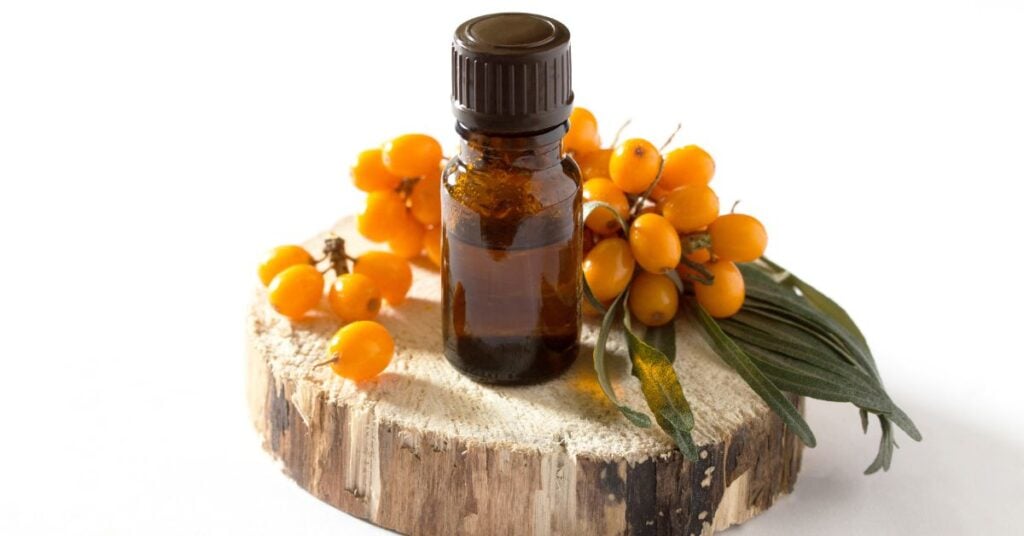
Sea buckthorn oil for weight loss has no standard dose; trials used 0.75 mL to 5 g daily, and weight change evidence remains weak.
Sea buckthorn oil shows promise for metabolic health, but the honest answer to how much to take for slimming down is: there isn’t a one-size dose backed by strong human data. Studies span different forms (seed, pulp, mixed oil), goals (skin, blood lipids, mucosal dryness), and amounts from sub-milliliter sips to gram-level capsules. Below, you’ll find the practical ranges researchers have tested, how to match a form to your goal, and the guardrails that keep your routine safe and sensible.
How Much Sea Buckthorn Oil For Weight Loss? Practical Range
For adults, a realistic supplemental window pulled from human trials lands between 0.75 mL/day and 5 g/day of oil, taken with food. Those figures come from trials on cardiovascular markers and skin or mucosal outcomes, not direct fat loss. That matters: body mass shifts weren’t the primary target in most studies, so you shouldn’t expect dramatic scale changes from the oil alone.
Forms And What They Mean
Sea buckthorn oil can be pressed from the seed, the fruit pulp, or both. Seed oil skews higher in omega-3 and omega-6; pulp oil carries more carotenoids and omega-7 (palmitoleic acid). Blended products aim to capture a bit of each. Capsules list grams (g) or milligrams (mg) per serving, while liquid bottles list milliliters (mL). As a quick conversion, 1 mL of oil weighs about 0.9 g.
Early Table Of Studied Amounts
The entries below summarize commonly cited human-study amounts across goals. Use this as a context map, not a prescription.
Table #1: within first 30% of article; ≤3 columns; 7+ rows
| Form | Studied Daily Amount | Context/Notes |
|---|---|---|
| Seed Oil (liquid) | ~0.75 mL/day | Used for blood pressure and lipids in hypertensive adults; low volume, food-with dosing. |
| Pulp Oil (capsules) | 800 mg/day | Used for vascular and inflammation markers; pediatric obesity study used pulp oil at this level. |
| Seed/Pulp Oil (mixed) | 2–5 g/day | Higher range in skin and mucosal studies; taken in divided doses with meals. |
| Berries/Freeze-Dried Fruit | 5–45 g/day | Whole-food trials; not oil, but informs tolerance and exposure to actives. |
| Juice | Up to 300 mL/day (8 weeks) | Not oil; used for general wellness and antioxidant endpoints. |
| Omega-7-Forward Oils | Product-dependent | Palmitoleic acid content varies widely; labels may show 16:1 n-7 per serving. |
| Topical Oil | As directed | For skin only; doesn’t inform oral weight management. |
Why There’s No One “Weight Loss Dose”
Most human studies with sea buckthorn oil track lipids, blood pressure, glucose regulation, skin, or mucosal dryness—not fat loss. A few trials in children and adults report shifts in triglycerides, cholesterol, or skin outcomes, which are helpful for health but don’t establish a clear fat-loss dose. Animal and cell data suggest possible effects on appetite signaling and adipocyte biology, yet those models rarely translate directly to a gram-exact human target. That’s why the phrase how much sea buckthorn oil for weight loss? has a cautious answer: pick a safe, trial-like starting point, align it with diet and activity, and watch objective markers over weeks.
What A Practical Start Looks Like
- If you already take fish oil or olive oil: add a small sea buckthorn dose, don’t stack large grams of multiple oils at once. Start at 1–2 capsules totaling 1–2 g/day of seed/pulp oil.
- If you prefer liquids: 1 mL/day (about 0.9 g) with the main meal. Taste can be intense; chase with food.
- Track outcome metrics: body weight, waist, morning blood pressure, and a fasting lipid panel after 8–12 weeks. Adjust only if tolerated and needed.
How Much Sea Buckthorn Oil For Weight Loss? Risks And Limits
Sea buckthorn oil is a food-derived fat, which helps on the safety front. Still, more isn’t always better. Large jumps can cause stomach upset or reflux. Certain skin cell studies caution against assuming “more oil” is harmless in all tissues. The safe play is to match the ranges used in human work and keep your routine steady while you check how you respond.
Seed Vs. Pulp: What Changes With Each
Seed oil carries a near 1:1 omega-3 to omega-6 ratio plus vitamin E; pulp oil is richer in carotenoids and omega-7. Blends give you both. If your goal is cardiometabolic support around weight control, any of the three can fit. If dryness or skin comfort is top of mind, pulp-forward products are common. If you’re statin-intolerant or adjusting other fat-soluble supplements, keep your clinician looped in while you titrate.
How To Read A Label
Look for the grams of oil per serving and, when listed, the palmitoleic acid (16:1 n-7) amount. Products vary wildly: some capsules deliver only a few hundred milligrams of oil; others pack 1 g or more. Liquids usually list milliliters. If you see “standardized omega-7,” the label should tell you how much 16:1 you get per dose.
Evidence Snapshot: What Trials Tell Us
Human Outcomes Most Relevant To Weight Goals
- Cardiometabolic markers: Low-dose seed oil (~0.75 mL/day) has been studied for blood pressure and lipid changes over a month; higher capsule doses (2–5 g/day) show skin and mucosal benefits over longer windows.
- Pediatric pulp oil: 800 mg/day for 60 days has been reported alongside improvements in lipid profiles in obese children; that informs tolerance, not a universal adult fat-loss dose.
- Whole-berry exposure: 5–45 g/day of freeze-dried fruit or puree appears across trials; again, that’s food, not oil, but it supports overall safety bands for actives.
Within these studies, scale weight is rarely the primary endpoint. Expect any body change to come mainly from calorie balance, protein intake, resistance training, sleep regularity, and steps. Sea buckthorn oil is a supporting player—nothing more.
Where Omega-7 Fits
Palmitoleic acid (omega-7) is one reason people link sea buckthorn oil to weight control. It shows roles in fat and glucose handling, yet human trials are mixed. If you buy an omega-7-branded oil, dose by the total oil grams first, and think of the omega-7 label as composition, not a license to megadose.
Simple Dosing Framework You Can Stick To
Step 1: Pick Your Form
Capsules help with accurate grams. Liquid is flexible if you like smoothies or yogurt. Either way, take it with a meal to reduce burps and improve tolerance.
Step 2: Start Low, Hold, Then Reassess
- Week 1–2: 1 g/day (or ~1 mL/day). Log weight, waist, and any stomach symptoms.
- Week 3–8: Hold or step to 2 g/day if tolerated and your overall fat intake isn’t already high.
- Week 9–12: If you have a lipid panel or blood pressure log, compare to baseline. Keep what’s working; roll back if reflux or loose stools show up.
Step 3: Pair It With Actions That Actually Move The Needle
- Protein anchor: target 1.6–2.2 g/kg/day from lean sources to preserve muscle while cutting calories.
- Strength twice weekly: short, full-body sessions beat long cardio alone for body composition.
- Simple calorie structure: a modest daily deficit sustained over 8–12 weeks outperforms crash tactics.
Safety, Interactions, And When To Skip
Sea buckthorn oil is generally well tolerated in studies. Upset stomach and reflux are the usual complaints at higher intakes. Because it’s a fat-rich supplement, it can change the absorption of other fat-soluble compounds taken at the same time. If you’re on anticoagulants, have gallbladder disease, pancreatitis history, or fat-malabsorption, talk with your care team before trialing an oil.
Table #2: after 60%; ≤3 columns
Who Should Be Careful
| Group | Why Caution Makes Sense | Practical Approach |
|---|---|---|
| People On Blood Thinners | Any added oil can affect bleeding tendency indirectly via diet. | Clear with a clinician; stick to food-level intakes if approved. |
| Gallbladder Or Pancreas Issues | Dietary fats can aggravate symptoms in some cases. | Prioritize medical guidance; start, if allowed, at very low doses. |
| Pregnant Or Breastfeeding | Human data are limited for concentrated oils. | Favor food forms; delay concentrated oils until after nursing. |
| People With Reflux | Oils can trigger heartburn in sensitive folks. | Take with meals; split doses; reduce or stop if symptoms rise. |
| Skin Cancer History | Some cell work shows complex effects on keratinocyte growth. | Discuss with dermatology; avoid high doses without oversight. |
| Children | Limited dosing data beyond specific studies. | Only with pediatric guidance for defined goals. |
How To Choose A Better Product
Quality Clues
- Source and part: “seed,” “pulp,” or “seed & pulp” should be clear.
- Standardization: if omega-7 is the pitch, look for the actual milligrams per serving.
- Oxidation control: dark glass, added vitamin E, recent lot date, and a clean aroma.
- Third-party testing: certificates that verify identity and contaminants.
Storage And Use
Keep bottles sealed, cool, and out of light. Refrigeration helps a liquid last longer after opening. For capsules, avoid steamy bathrooms or hot kitchens. If the oil smells sharp or soapy, discard it.
Answering The Core Question Again
So, how much sea buckthorn oil for weight loss? A cautious, research-aligned lane is 1–2 g/day for most adults, taken with meals, held steady for 8–12 weeks, then re-evaluated against your weight trend, waist, and basic labs. Some trials used as low as 0.75 mL/day; others tested up to 5 g/day for non-weight outcomes. If you don’t see benefits—or you notice reflux—there’s no reason to push higher. Shift your effort to diet structure, training, sleep, and steps, where the big wins live.
Method, Sources, And Limits
This guide synthesizes human trial ranges and safety notes from peer-reviewed sources and respected monographs. For dose context across studies, see the professional monograph that catalogs human amounts used for oils, berries, and juice; it’s a solid snapshot of what has been tried in people (Sea Buckthorn Uses, Benefits & Dosage). For a low-volume seed-oil dose tied to blood-pressure and lipids, review the trial summary reporting ~0.75 mL/day in hypertensive adults (seed oil cardiovascular study). Composition and health-effect overviews of seed vs. pulp oils are widely available in open-access reviews; they help explain why products feel different in practice.
Quick Takeaways You Can Use Today
- There’s no single fat-loss dose. Human work points to a 0.75 mL–5 g/day window used for other endpoints.
- Pick a steady start: 1–2 g/day with meals for 8–12 weeks; adjust only if you tolerate it and see value.
- Expect modest help at best: treat sea buckthorn oil as a supportive add-on to calorie control and training.
- Keep safety in view: skip high doses if you have reflux, are pregnant, or are on blood thinners without medical input.
- Buy smart: clear labeling, tested lots, and sane per-serving grams beat hype claims.