
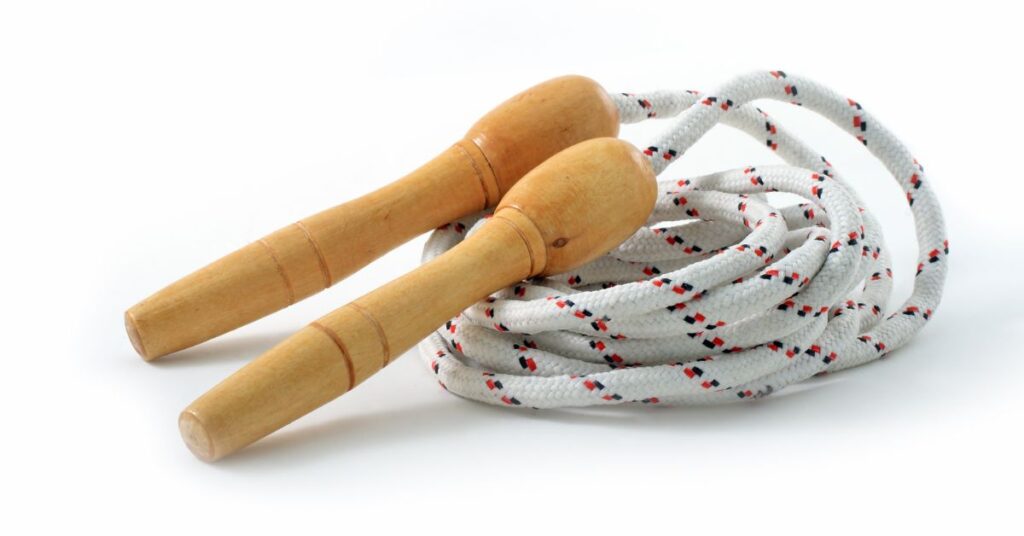
For weight loss with skipping rope, plan 150–300 weekly minutes and aim to burn 1,200–2,000 calories while keeping a steady calorie deficit.
Skip rope is simple, cheap, and fast at burning energy. The real question is how much work it takes each week to drive the scale down. Here’s a clear plan that blends time, pace, and food choices so you can set targets that actually stick. Keep it simple.
How Much Should I Skip Rope To Lose Weight? With Real Numbers
Let’s anchor the goal first. Weight loss needs a consistent energy gap. You create that gap by eating a bit less, moving a bit more, or both. Jumping rope makes the “move more” part efficient because it burns many calories in short bursts. Pair that with sensible eating and you’re set.
| Body Weight | 30-Min Slow Pace | 30-Min Fast Pace |
|---|---|---|
| 120 lb (54 kg) | ~225 kcal | ~340 kcal |
| 140 lb (64 kg) | ~260 kcal | ~400 kcal |
| 160 lb (73 kg) | ~280 kcal | ~420 kcal |
| 180 lb (82 kg) | ~310 kcal | ~500 kcal |
| 200 lb (91 kg) | ~340 kcal | ~560 kcal |
| 220 lb (100 kg) | ~370 kcal | ~620 kcal |
| 240 lb (109 kg) | ~400 kcal | ~680 kcal |
Weekly Targets That Work
Most adults do well aiming for 150–300 minutes per week. Many readers ask, “How Much Should I Skip Rope To Lose Weight?” These targets give a direct path.
Public guidance backs this range. See the CDC activity guidelines for the base target of 150 minutes and the stretch goal of 300 minutes for extra benefits. Rope work usually sits in the vigorous bucket, so you can trade time for intensity when you’re comfortable.
Skipping Rope For Weight Loss: How Much Is Enough
Use calories as a second lens. A modest gap of ~500 calories per day tends to drop about 0.5–1 lb a week for many adults. That’s a blend of eating and movement. If rope sessions supply 300–600 calories each, two to four sessions fill a large share of that weekly gap while food choices finish the job.
Jump rope burns a lot per minute once you find rhythm.
Build A Week You Can Actually Keep
Pick A Volume
Start with 120–150 minutes in week one if you’re new. Split that into 4–6 sessions. If you’re already active, aim for 180–240 minutes. Spread it across the week so joints and calves get a break.
Choose An Intensity Mix
Think in gears. Easy bounce sessions set your base. Moderate sets add sweat. Short, fast rounds sharpen fitness. Rotate them to manage fatigue.
Sample Mix
- Two easy 25–35 minute sessions.
- One short “fast rounds” day: 10 x 1 minute fast with 1 minute walk or march.
That structure lands near 150–200 minutes, with room to grow.
Turn Minutes Into Pounds Lost
Now link minutes to the scale. Combine session burn with a small food cut. If you trim 250 calories from meals and burn 250 through rope on most days, the weekly gap ends near 3,500 calories. Many adults see about one pound down from that. Results vary by sleep, stress, and daily steps, but the math gives a clear start.
Form, Progression, And Recovery
Start With A Smooth Setup
- Rope length: Step on the center; handles should meet your lower chest.
- Surface: Wood, rubber, or a mat beats concrete for joint comfort.
- Shoes: Cushioned trainers help with repeated landings.
Build Skill Fast
- Keep elbows close. Turn from wrists, not shoulders.
- Stay tall. Land softly on the balls of your feet.
- Use short sets at first: 30 seconds jump, 30 seconds march.
Progress Without Overdoing It
- Add 5–10 minutes per week across sessions.
- Stack skills: basic bounce, alternate foot, high knees, and boxer step.
- Insert easy days after any hard day.
What A Fat-Loss Week Looks Like
| Day | Plan | Notes |
|---|---|---|
| Mon | 30 min easy bounce | Nasal breathing, steady rhythm |
| Tue | Intervals 8 x 1 min fast / 1 min walk | Warm up 5 min first |
| Wed | Rest or light walk 20–30 min | Mobility 10 min |
| Thu | 25–35 min moderate | Alternate foot steps |
| Fri | Short skill practice 15–20 min | Drills and timing |
| Sat | 35–45 min easy-moderate | Breaks as needed |
| Sun | Rest | Stretch calves, feet |
Dial In Food Without A Full Diet Overhaul
You don’t need a perfect meal plan. You need a small, steady gap. Pick two or three changes you can repeat on autopilot.
- Swap sugar drinks for water or unsweetened tea.
- Eat protein with every meal. It helps you stay full.
- Fill half the plate with veg and fruit.
- Use a smaller plate at dinner. Portion control gets easier.
Most people do well trimming 250–500 calories per day. Mayo Clinic shares this simple math and notes that results vary by body size and habits. If you want a deep dive on the numbers, see their page on calorie deficit basics.
Benchmarks To Track Progress
What To Log Each Week
- Minutes jumped: Total time on the rope.
- Average RPE: A 1–10 effort score after each session.
- Scale trend: One to two weigh-ins per week at the same time of day.
- Waist or hip: A simple tape measure check.
Minutes should climb slowly. Effort stays moderate on most days. If the trend stalls for two weeks, adjust food or add a small block of intervals. Weekly photos in the same clothes help spot changes that the scale and tape might miss over time.
Warm-Up, Cool-Down, And Simple Strength
Two minutes of prep saves a lot of grief. Start with ankle circles, light marching, and easy shadow jumps. Then do 3 short sets of 20–30 seconds at a gentle pace before the main block. End with slow walking, calf stretches, and a few deep breaths to bring the heart rate down.
Add two short strength moves on non-rope days. Pick bodyweight squats and pushups or wall presses. Two sets of 8–12 reps each keep muscles stable so your joints stay happy when the rope volume grows.
Rope Types And Handle Choices
You don’t need a fancy setup. A basic PVC rope works for most people and spins smoothly. A beaded rope gives a clear arc that helps with timing. A speed rope is great once your rhythm is consistent. Metal cables feel quick but bite the skin on a miss, so start with softer lines until you’re confident.
Time And Calorie Targets By Experience Level
New To The Rope
Start near 20–25 minutes per session, three to four days a week. Walk on other days. Aim for 250–400 calories per session with short breathers.
Comfortable And Building
Move to 30–40 minutes per session, four to five days a week. Blend easy and moderate blocks. Many adults burn 350–600 per session. Keep one day lighter or off.
Experienced And Fast
Use 35–50 minutes per session with fast rounds two or three times per week. Larger bodies may reach 600–800 per longer session. Respect recovery and rotate surfaces.
Safety Notes And Red Flags
Stop if you feel sharp pain, chest pressure, or lightheadedness. If you’ve been inactive or live with a condition, clear new training with your clinician. Go steady and pick progress you can repeat.
Bringing It Back To The Core Question
You asked: “How much should I skip rope to lose weight?” The honest answer blends time and diet. Hit 150–300 minutes a week, progress slowly, and keep a daily calorie gap you can repeat. Use the first table to estimate burn for your size and pace. Use the weekly plan to slot sessions into your life.
Across the page you saw the exact phrase twice for clarity: “How Much Should I Skip Rope To Lose Weight?” appears in the title and again in a section. It also appears here in plain text as a reminder of the goal and the plan built around it.