
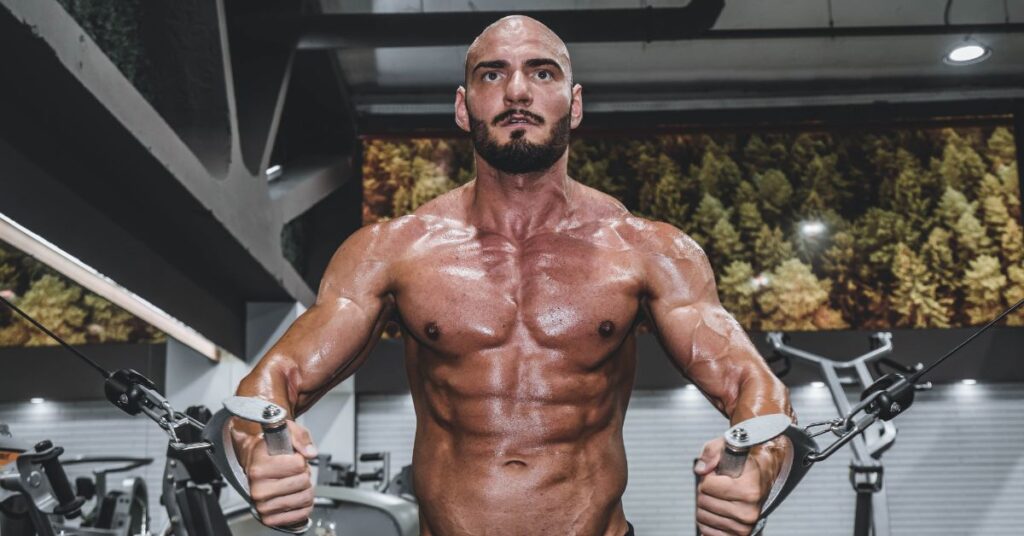
For losing weight, sweat amount doesn’t matter; fat loss comes from a calorie deficit, and sweat varies by heat, fitness, and hydration.
Let’s set the record straight. Sweat cools you; it doesn’t melt fat. You can finish a workout drenched or barely damp and still move the scale the same way if your training and eating line up with a steady calorie deficit. The goal here is to show what sweat does, what it doesn’t do, and how to use training targets that actually drive weight change without chasing puddles on the floor.
How Much Should You Sweat To Lose Weight? Myths Vs Reality
Plenty of folks ask, “how much should you sweat to lose weight?” The honest answer: there’s no target. Sweat rate swings wildly from person to person and day to day. Heat, humidity, clothing, fitness level, body size, and hydration all change how much you drip. Real fat loss comes from consistent activity and smart food choices, not a soaked shirt. A dry top doesn’t mean a lazy session; a soaked one doesn’t guarantee extra fat loss.
What Sweat Actually Signals
Sweat is your built-in cooling system. As body heat rises during effort or hot conditions, sweat glands release fluid that evaporates from the skin. That evaporation moves heat away from your body. You may see a drop on the scale right after a session, but that change is mostly water. Once you rehydrate, the number rebounds. Your best progress markers are energy balance over time, performance gains, measurements, and how your clothes fit.
Factors That Change Sweat Rate
These variables explain why one runner looks drenched while another barely glistens during the same workout and pace. None of them change the math of fat loss by themselves. What matters is the work you do and the fuel you take in across the week.
| Factor | What Happens | What It Means For Weight Loss |
|---|---|---|
| Heat | Higher body temp triggers more sweating. | More fluid loss, not more fat loss. |
| Humidity | Evaporation slows; sweat drips more. | Feels tougher; still water weight change. |
| Fitness Level | Trained folks often sweat sooner and more efficiently. | Better cooling; fat loss still tied to workload and diet. |
| Body Size | Larger bodies produce more heat. | Often more sweat, same fat-loss rules. |
| Sex | Average sweat rates differ between men and women. | No set “right” amount of sweat for results. |
| Hydration | Low fluids can blunt sweating. | Risk of overheating; weight change still about calories. |
| Clothing | Dark, heavy, or non-breathable gear traps heat. | More sweat on the surface; not extra fat burn. |
| Acclimatization | With heat exposure, sweat starts earlier. | Improved cooling; fat loss still behavior-driven. |
Sweating And Fat Loss: What’s Actually Happening
Fat leaves the body when your energy intake stays lower than your energy use. During that process, stored fat breaks down into molecules that your body ultimately exhales as carbon dioxide and clears as water. That water can appear in sweat or urine, but the pace comes from the deficit, not the sweat itself. That’s why sauna-only tactics don’t change body fat. You’ll drop water weight, then gain it right back with normal drinking.
Why Scale Drops After A Sweaty Session
A quick weigh-in after intervals or hot yoga often shows a lower number. That’s fluid. Drink, eat some salty food, and the number returns. Real fat loss shows up across weeks. The fastest way to see steady progress is a clear plan: hit activity targets that raise calorie burn, pair them with a protein-forward, produce-rich menu, and track trends rather than single weigh-ins.
What To Track Instead Of Sweat
- Minutes Of Moderate Or Vigorous Work: Aim for weekly totals that match health guidelines. You can mix brisk walks, cycling, rowing, swimming, or running.
- Effort: Use a talk test or heart-rate zones to gauge intensity. If you can talk but not sing, you’re likely in the moderate zone.
- Strength Sessions: Two or more days builds muscle, protects joints, and supports calorie burn.
- Daily Movement: Steps and sit-less breaks keep energy use up between workouts.
If you want a formal benchmark for weekly activity, see the CDC adult activity guidelines. For gauging effort, the AHA target heart rates page explains simple ranges that line up with moderate and vigorous work.
Training Targets That Drive Fat Loss
Now let’s trade sweat chasing for actions that move the needle. Pair these targets with steady, protein-centric meals and plenty of produce. Keep your weekly plan simple, repeatable, and forgiving so you can stack wins even on busy days.
Weekly Activity Mix That Works
Build from three blocks: cardio, strength, and lifestyle movement. Cardio raises energy use and heart health. Strength keeps muscle on your frame so more of the weight you lose comes from fat. Lifestyle movement fights long sitting time so your daily burn doesn’t drop.
Cardio You Can Stick With
Pick modes you enjoy. Brisk walking, incline treadmill, cycling, swimming, rowing, and dance-style classes all count. Start with 150 minutes of moderate work per week or 75 minutes of vigorous work. Split that into five moderate 30-minute sessions or three harder days. Mix and match as you build consistency. Hold a pace where you can talk in short sentences for moderate work, and where talking feels tough for vigorous work.
Strength That Protects Muscle
Two or three full-body sessions each week do the trick. Choose compound moves that hit many muscles at once: squats, hinges, pushes, pulls, and carries. Two to four sets per move, 6–12 reps per set, steady form. Keep rest periods tidy. Add a little weight or an extra rep each week so progress doesn’t stall. Muscle helps you keep losing inches even if scale changes slow for a bit.
Lifestyle Movement That Adds Up
Most days, get 7,000–10,000 steps. Use stairs. Park a block farther away. Break long desk time with a three-minute walk or a quick set of body-weight moves. These micro-bursts keep your daily burn from dropping between gym sessions.
Hydration, Salt, And Sweat Safety
Drink to thirst during easy days and sip regularly during longer or hotter sessions. When workouts stretch past an hour, include fluids with electrolytes so you don’t dilute blood sodium. In sticky weather, carry a bottle and plan easy shade breaks. Clear, pale yellow urine through the day usually means you’re in a good spot. Chasing sweat without fluids is a fast road to headaches and a drop in power.
How Much Should You Sweat To Lose Weight? Setting Real Markers
Let’s use markers that map to real fat loss. You’ll see steady changes without obsessing over sweat rings. And yes, it still helps to write it down. A small notebook or phone note beats wishful thinking every time. That’s also where you can log wins and patterns: sleep, meal timing, energy levels, and recovery.
| Metric | Practical Target | Notes |
|---|---|---|
| Weekly Fat Loss Rate | ~0.5–1% of body weight | Steady and kinder to muscle. |
| Weekly Cardio | 150–300 min moderate or 75–150 min vigorous | Split across 3–6 days. |
| Strength Work | 2–3 full-body sessions | Push, pull, squat, hinge, carry. |
| Daily Steps | 7,000–10,000+ | Spread through the day. |
| Hydration | Drink to thirst; more with heat or long sessions | Add electrolytes past 60 minutes. |
| Effort Check | Talk test or heart-rate zones | Match pace to your plan. |
| Sauna Use | Optional recovery tool | Expect water loss only. |
Smart Ways To Structure Your Week
Consistency beats perfect plans. Here are three sample templates. Rotate them based on your schedule. Each one blends cardio, strength, and recovery so you make progress without living at the gym.
Template A: Three-Day Strength, Light Cardio Daily
- Mon: Full-body strength + 20–30 min brisk walk.
- Wed: Full-body strength + 20–30 min cycling.
- Fri: Full-body strength + 20–30 min walk.
- Other Days: 30–45 min easy walk or casual bike.
Template B: Four-Day Cardio Focus
- Mon: 35–45 min moderate cardio.
- Tue: Strength (upper + lower circuits).
- Thu: 25–35 min intervals (hard/easy repeats).
- Sat: Long easy session, 45–60 min.
Template C: Two-A-Week Strength, Weekend Long
- Tue: Strength + short finisher.
- Thu: Strength + short finisher.
- Sat: 60–75 min easy ride, run, or hike.
- Daily: Steps and sit-less breaks.
Hydration Cues When You’re Sweating More
High-heat days ask for a plan. Show up to sessions already hydrated, carry a bottle, and sip during rests. Wear breathable gear and keep a small towel handy. For long efforts, include electrolytes so fluid actually sticks. If you finish far lighter than you started, drink and add a little salt with your next meal. If you ever feel light-headed or stop sweating in heat, stop, cool down, and rehydrate.
What About Saunas, Sweat Suits, And “Sweat-Boosting” Gear?
Saunas can feel relaxing and may help you unwind. They’re not a fat-loss tool. The scale drop you see is water. Sweat suits and plastic layers raise heat and discomfort with no extra fat-loss payoff. Save that grit for quality reps, better sleep, and meal prep. Those pay you back every single week.
Putting It Together: Results Without Sweat Chasing
Let’s anchor the big takeaways. One, you don’t need a soaked shirt to reduce body fat. Two, your plan should target weekly minutes of cardio, two or three strength sessions, and steady daily movement. Three, eat for a modest deficit with plenty of protein, produce, and fiber. Four, stay hydrated, especially during long or hot sessions. Five, judge progress by trends, not post-workout scale dips. Ask “how much should you sweat to lose weight?” if you like, but bet on habits, not sweat.
Quick Troubleshooting When The Scale Stalls
Plateaus happen. Here’s how to nudge progress without punishing yourself or chasing sweat:
- Nudge Activity: Add 10–15 minutes to two cardio days.
- Tighten Food Cues: Build meals around lean protein, vegetables, fruit, and slow carbs. Keep fun foods, just budget them.
- Sleep: Aim for a consistent bedtime and wake time.
- Week-Over-Week Checks: Weigh two to four mornings a week, same routine, then average. Look for the trend line, not any single spike.
Bottom Line That Sticks
Sweat is a cooling tool, not a fat-loss meter. Train for minutes, effort, and strength, eat for a modest deficit, and keep fluids steady. That recipe trims inches and keeps you feeling good without chasing sweat for its own sake.